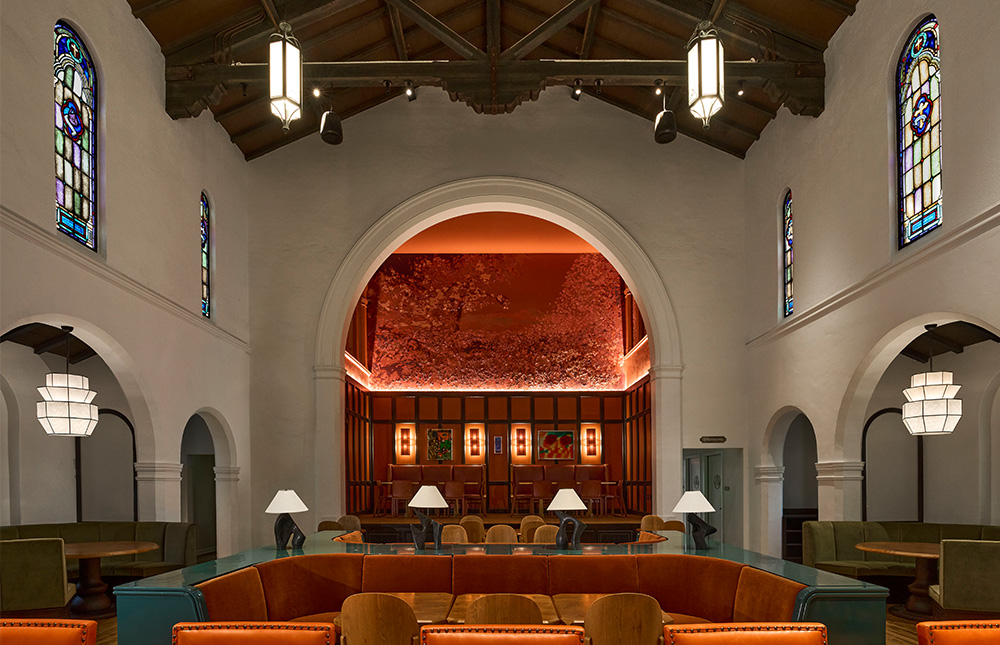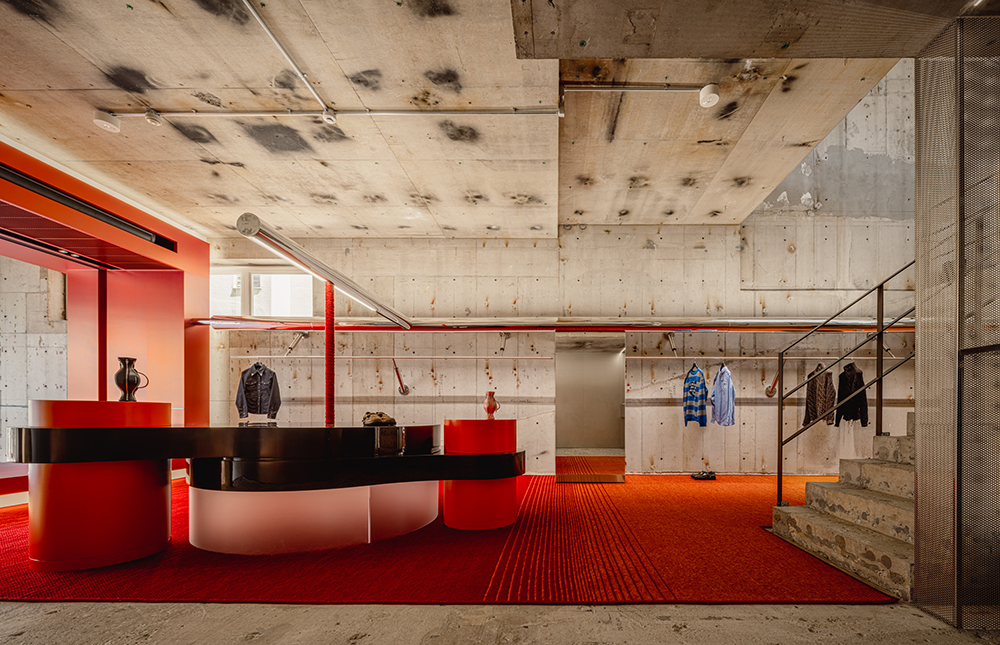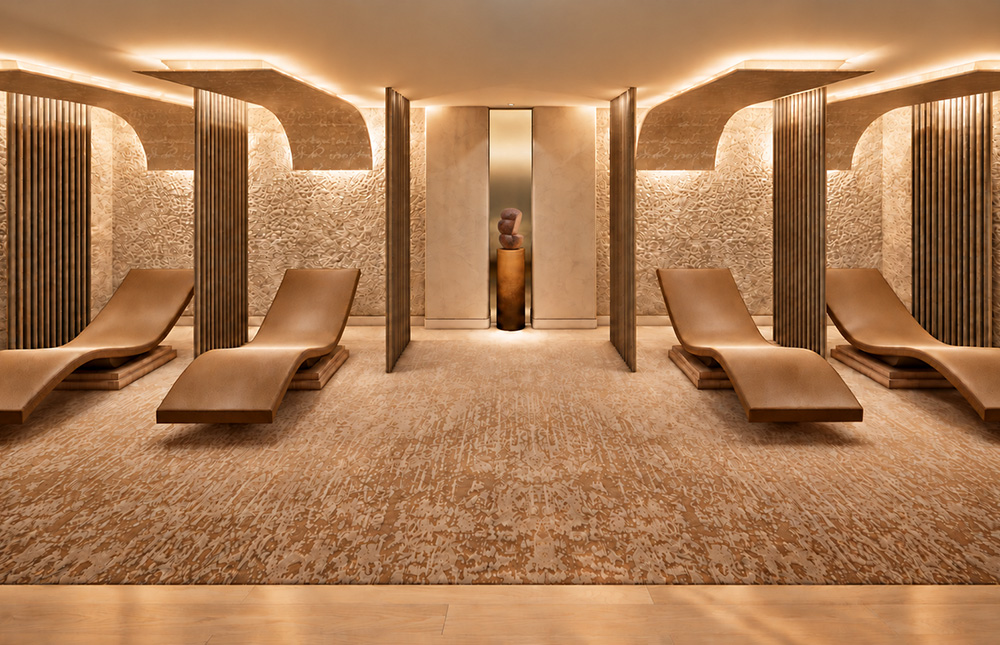

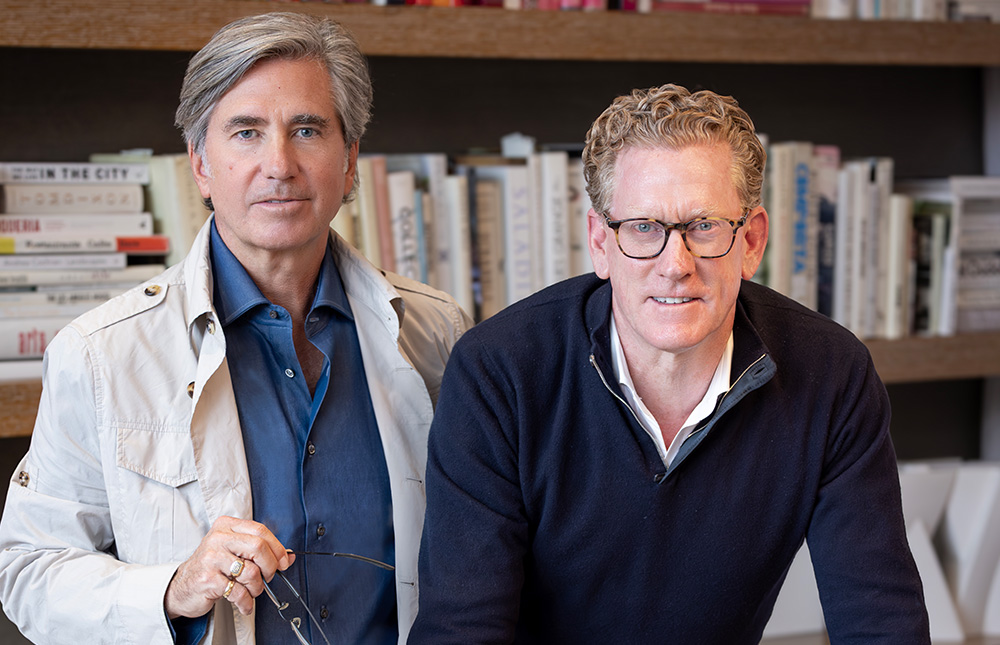
More than 25 years later, Meyer Davis is looking back as it propels ahead. Since joining forces in 1999, Will Meyer and Gray Davis have solidified themselves as brand visionaries and masters of quiet luxury who now oversee nearly 120 people across offices in New York, Los Angeles, Miami, Nashville, London, Barcelona, and Dubai. To celebrate such a milestone, in their new book, The Language of Home, the team illustrates their standout residential designs while also illuminating the pair’s influential hospitality portfolio. Here, the Meyer Davis founders discuss their effortless dovetailing of residential and hospitality design, career highlights, lessons learned, and what’s next.
When did you decide to start something? Was there a grand plan?
Gray Davis: We were out one evening here in the city with this professor we both had in architecture school. We were all having drinks and he said, ‘Have the two of you ever thought about starting up a practice together?’ We kind of looked at each other and were like, ‘That sounds like a great idea and why didn’t we think of that?’
We had the opportunity to take over a great little loft space in Soho above where the Armani Exchange store used to be at Prince and Broadway. We had this great little studio that we built out. It was very chic, and it was the two of us and one person that we hired.
Will Meyer: We were working on this house on a few hundred acres in Beaverkill Valley in Upstate New York. Then we were also working on a hotel in Miami Beach called the Abbey Hotel.
GD: We were getting a little taste of residential work but also hospitality, too. We were just working away and loving it.
What were some of your big breaks?
WM: The way we grew into hospitality was very organic. We worked on V Bar, which is a drinks lounge in the Venetian in Las Vegas.
GD: It became the first cool bar in Las Vegas that attracted a New York/LA crowd. I remember we did this really beautiful facade that almost looked like fish scales out of glass, but we left a little reveal in the glass at eye level so people could get just a little teaser of what was inside. It was there for what—15 or 20 years? They said it was their most popular or most successful bar that they had at the time.
WM: Then it was Mas (Farmhouse) in the West Village. A really beautiful, cool little restaurant. Then I think it was Locanda Verde after that?
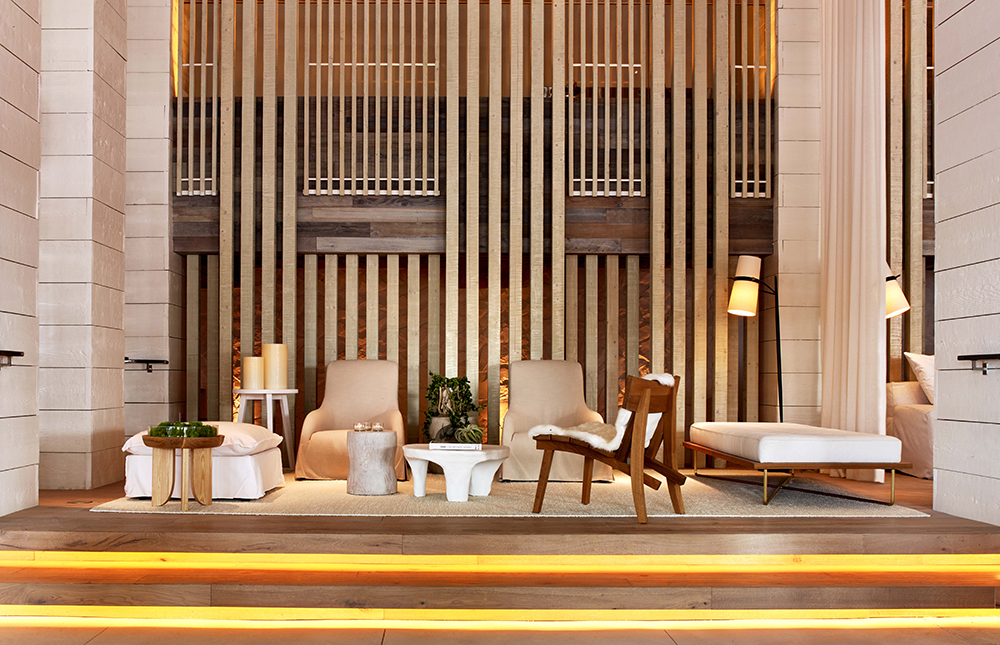
GD: One of our turning points was probably the 1 Hotel in South Beach. That was a big time for us, and I feel like we had to really move the dial. It was an old Gansevoort hotel. I remember when Will and I and our team went to meet with Barry Sternlich and Kemper Hyers [of 1 Hotels] at their offices to kick it off, when we walked in, there were four little trays on a table. There was some sand, a piece of driftwood, some greenery, and some white linen. [Barry] said, ‘I want to design a new concept, a new brand around these four elements,’ and that was the whole start of it. We leaned into it. We built this really great model room, and he came in and he’s like, ‘This is exactly what I was hoping for.’
WM: We were then asked to work on the Four Seasons brand. Turning that brand around and really being involved in their concerted effort to make it special, to take their brand of luxury and renew their brand for a new generation, and being a part of that whole reimagination of what Four Seasons has become was important for us.
GD: That was huge. Dana Kalczak had reached out. She was fantastic. A real visionary.
WM: We are now at 14 Four Seasons later. Cabo opened a year and a half ago, and then the Four Seasons Red Sea just opened.
WM: Being a part of the creation of 1 Hotel, the recreation of Four Seasons, and also the reimagination of W Hotels with the W Rome, W Sardinia, the W Pompano, we’ve sort of established ourselves as the visionaries for what brands could be.
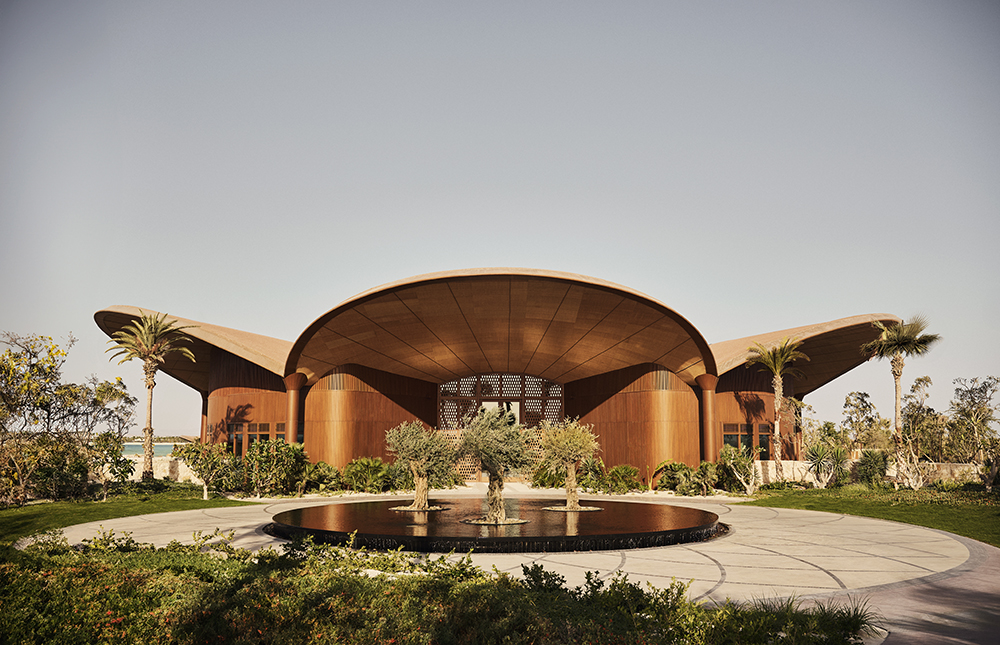
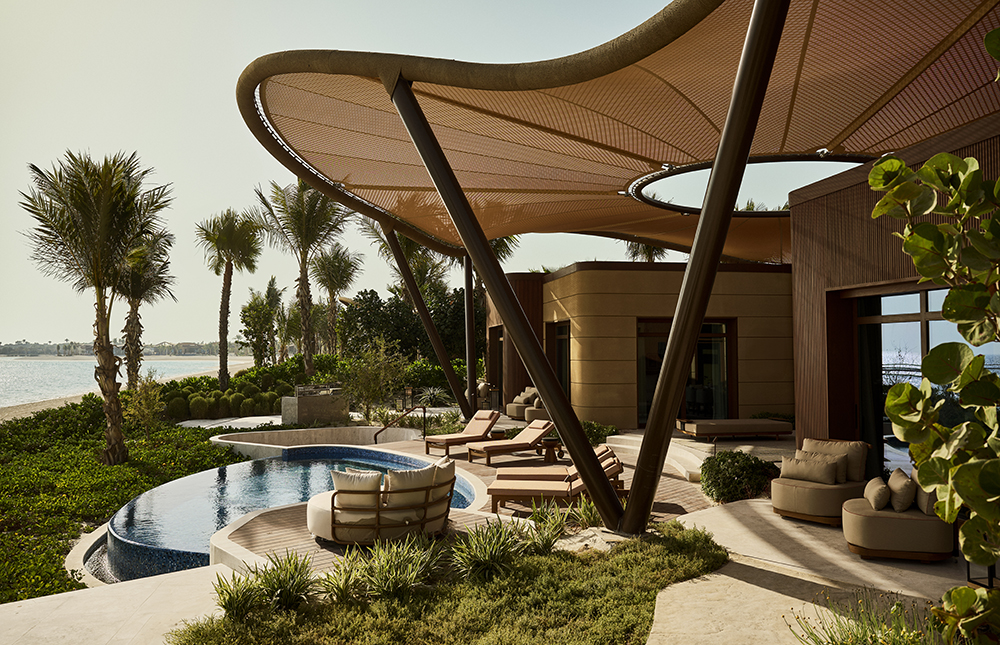
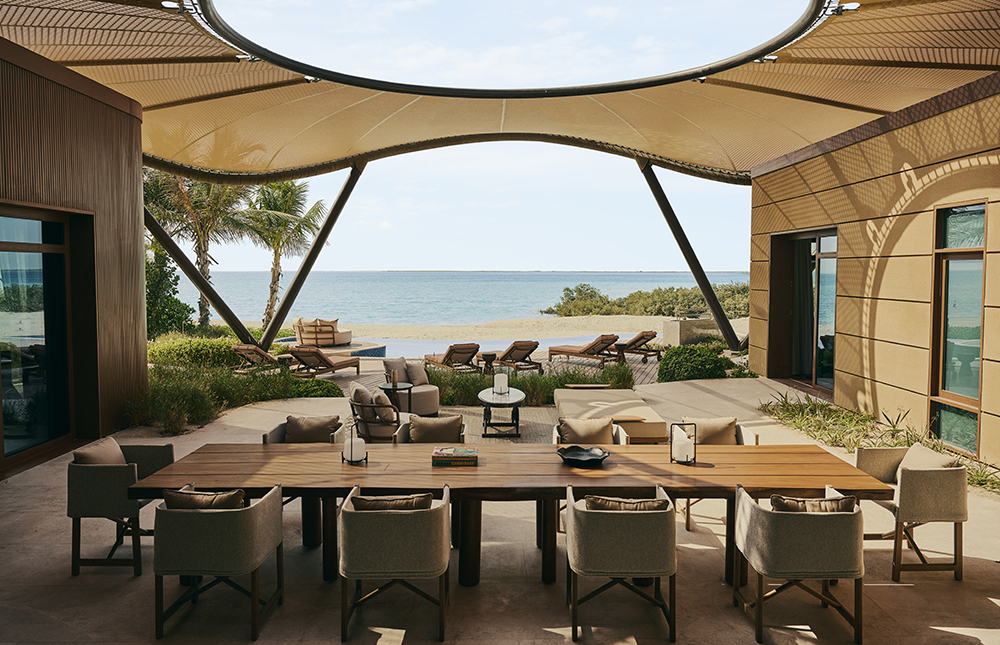
Four Seasons Resort & Residences Red Sea Shura Island. Photography by Hospitality Builders
What makes your practice special?
WM: We started as residential and I think at the heart of a residential project, you’re thinking about designing for a person’s comfort in their home. Applying the knowledge of how you design for a home to hospitality is what differentiates our firm.
Do you like hospitality or residential more?
GD: We enjoy both. Residential work has been ingrained into us and we love that, but we love applying it to our hospitality projects and bringing that residential quality in.
WM: We couldn’t have one without the other.
Do you think your residential panache has helped you branch out into yachts and other realms?
GD: We love these new challenges. It was such an amazing opportunity working on [super yacht] SeaWolf. To take those same sensibilities and apply it here and do it in a way that still speaks to our ethos of design, but in a way that still feels very relaxed, very comfortable, thinking about sustainability and how people like to live.
Why do you two work so well together?
WM: We speak the same design language, and we can communicate that to everybody around us. Wherever that project really needs to go, we can identify that quickly and then translate that.
GD: I just say yes to whatever Will wants.
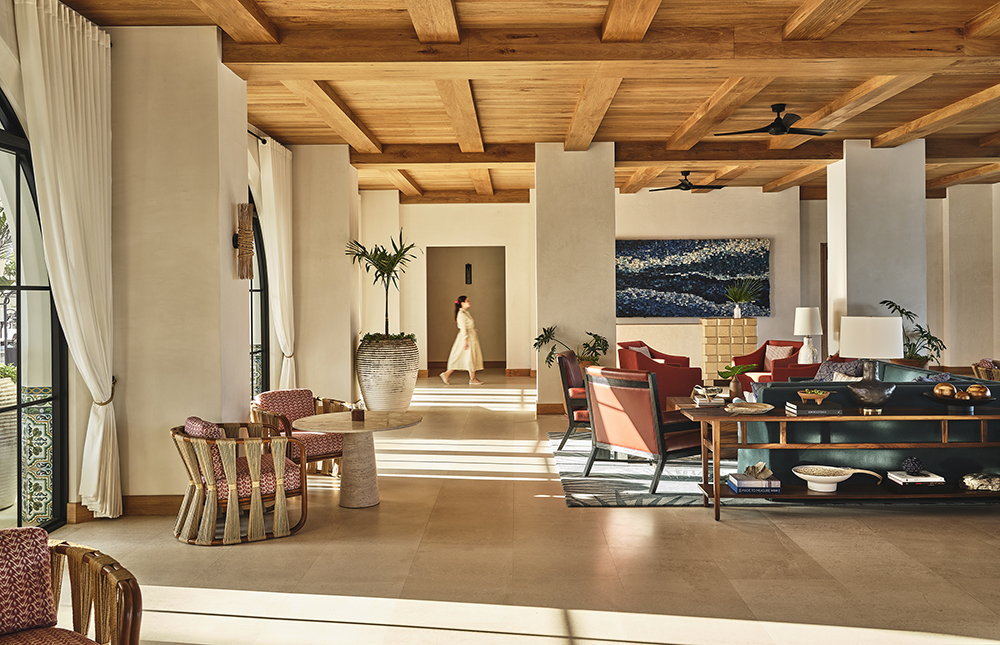
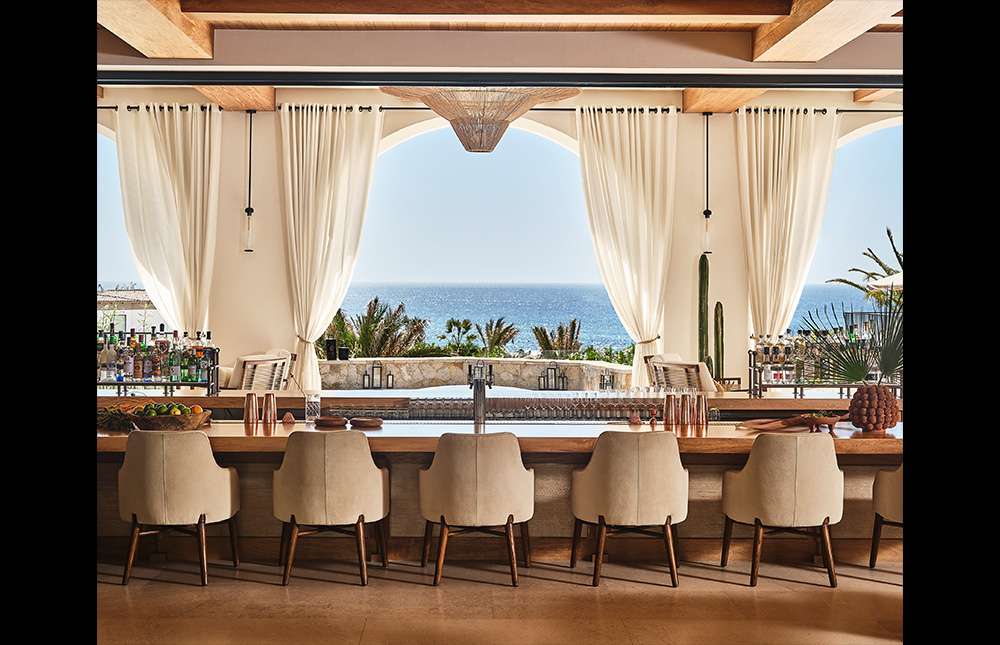
Four Seasons Cabo. Photography by The Ingalls
Do you guys split up responsibilities? Or is it more organic than that?
GD: There’s some projects that we work on together. There’s some projects that Will will take the lead on. There’s some projects that I’ll take the lead on, but we’re constantly communicating and bouncing ideas. We enjoy each other’s company. We have a lot of fun together and I feel like when we’re working, Will has this big picture and really is great at getting the big ideas across. I tend to be a little bit more focused on plans, circulation.
What’s your leadership style?
WM: Over the years, we’ve really formalized our systems of how we work together and how the studios are arranged and what we need. We’ve been putting that energy into getting that organization fine-tuned to grow into the next phase of who we are. It might look effortless. It might seem like we’re easygoing and letting it all happen, but there’s a lot of stuff behind the scenes.
One thing you wish you knew before starting your firm?
GD: We love architecture and design and that was our focus, but maybe just having a little bit more understanding on the business side. There’s certain key things that you need to be aware of and focus on instead of just doing all this beautiful design. There’s contracts and negotiations and billing and all of that stuff.
WM: The thing I’ve really enjoyed over the last several years is learning about this and formalizing it. Gray and I both really enjoyed the structure of things and creating that for our firm.
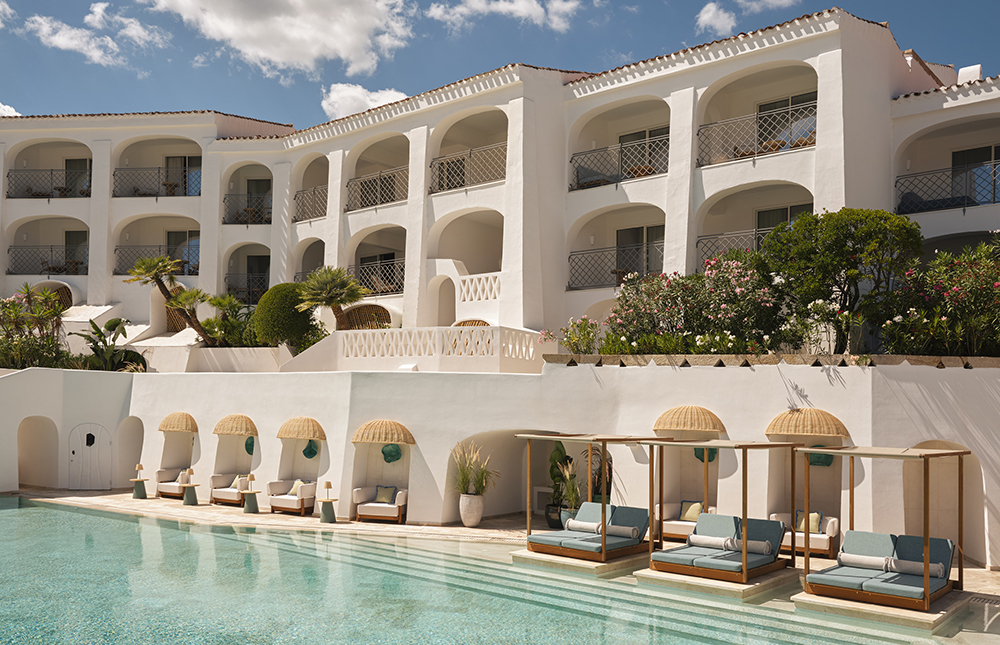
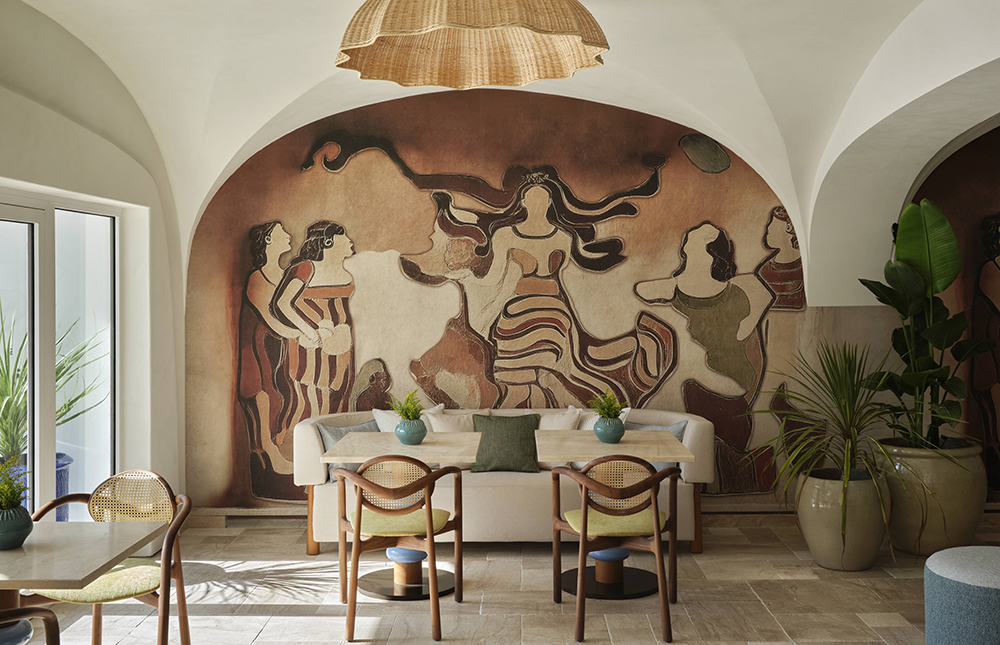
W Sardinia. Photography by Marriott International and Davide Lovatti
Which projects on the boards are you most excited about?
GD: This hotel that we’re doing in Croatia, just outside of Dubrovnik, is really going to be spectacular. It’s two low-rise buildings right on the water that speak to the topography of the area. Then there’s an old historic building, amazing spa, villas on this beautiful quarter-mile, crescent-shaped beach that’s very modern. The rooms are quite generous. They feel like these lofts, all facing the water with these beautiful terraces overlooking the sea.
What’s a lesson or piece of advice you’d like to give someone starting their own firm?
GD: Communication. Listening to clients and keeping them absolutely, as Will says, happy.
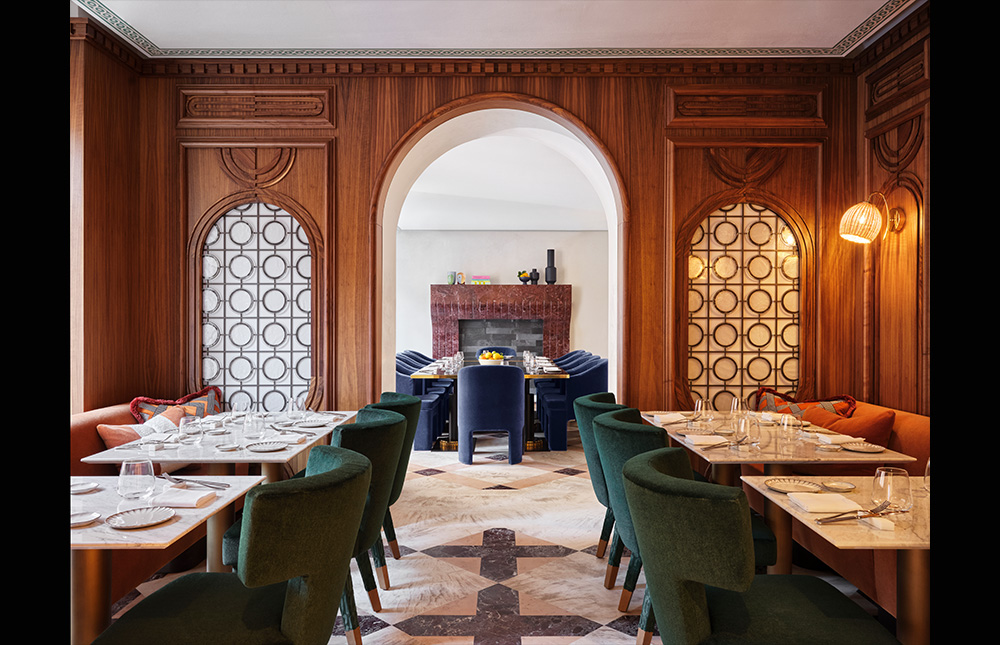
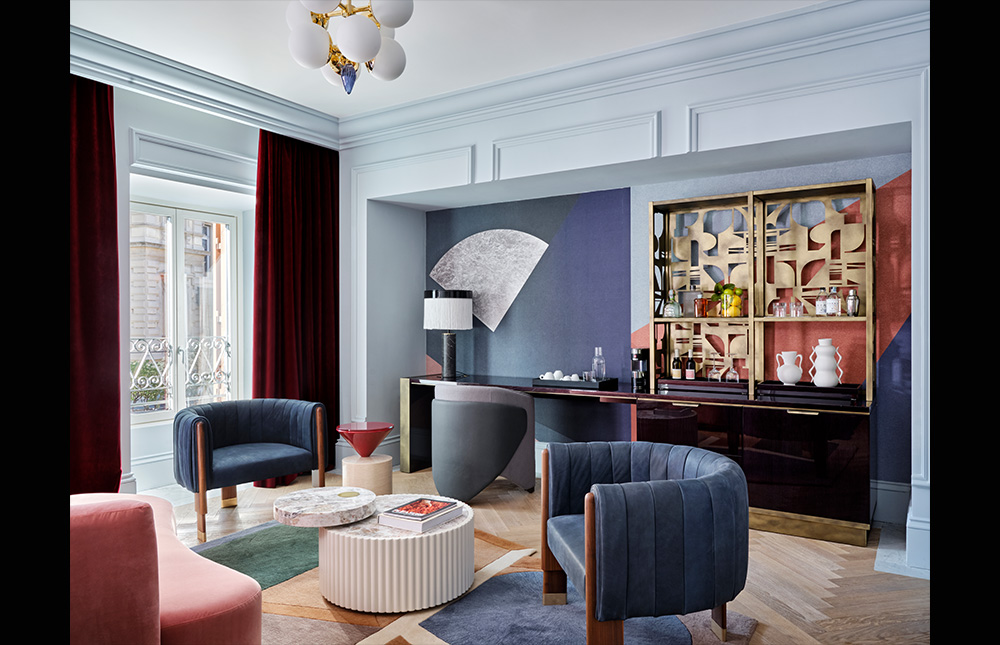
W Rome. Photography by Marriott International and Davide Lovatti