

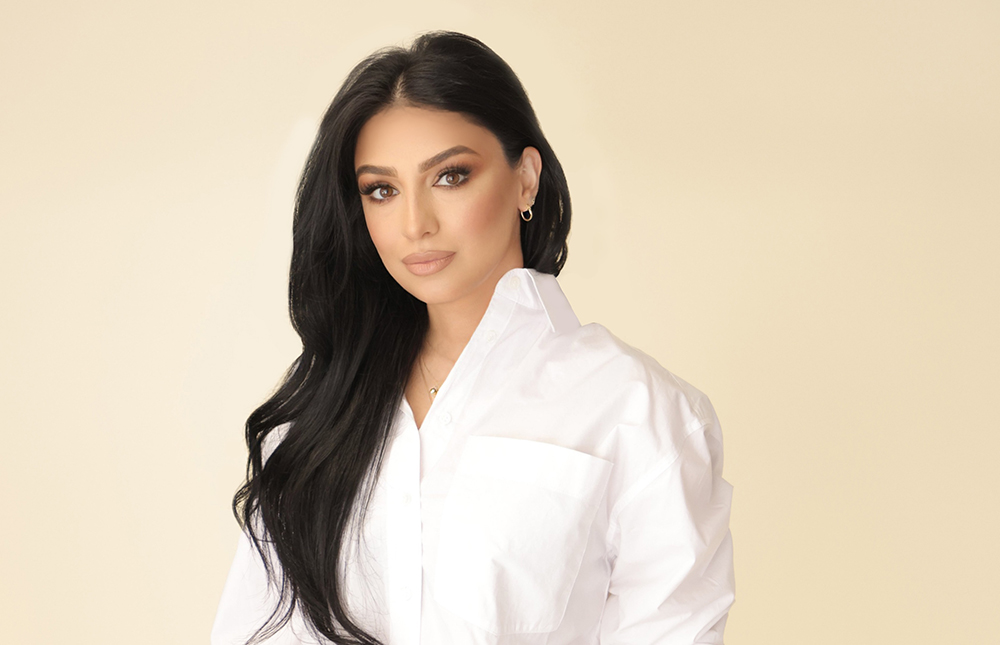
Quality design comes down to one thing for Vedi Aslanyan: function. As Ennismore’s vice president of design & technical services – America, she masters this balance while guiding storytelling and articulating value with both designers and owners across nearly 35 active projects on any given day. Aslanyan’s collaborative leadership style is an apt complement for a brand evolving beyond traditional hotels into distinctive experiences like branded residences and luxury all-inclusive resorts. Here, she discusses lessons learned working with SBE and Accor, the Delano revamp, and the real meaning of lifestyle luxury.
What first drew you to a career in hospitality, and how did your early experiences (childhood, school) shape your approach today?
Growing up, I was definitely always more on the creative side. I’d paint the walls in my bedroom with a new design every few months and constantly rearrange the furniture. It was always in me. I just never really thought of it as a career until after I graduated high school and realized I had to choose a path.
Sbe to Accor to Ennismore. Can you walk us through your journey to your current role at Ennismore and the most important lessons you learned along the way?
I learned a lot at SBE. Before that, my experience was mostly in residential design, so stepping into hospitality was all new, but I really connected with it and wanted to keep learning and growing in this space.
The transition with Accor happened gradually, and for a while it felt like business as usual. Then Ennismore was established, which brought a lot of changes and restructuring. That evolution really shaped where we are today.
Describe your role. Do you have a typical day? Try to share a day in the life for you.
In my current role, I oversee design for all projects across the Americas—North, Central, and South, which means about 30-35 active projects at any given time, so things stay pretty hectic.
My days usually start early to stay in sync with teams across different time zones (the downside of being based in LA). From there, it’s a mix of back-to-back calls and a constant flow of materials to review. Everything from floor plans and renders to spec packages, signage, art, and finish samples, and of course, a lot of travel. No two days really look the same.
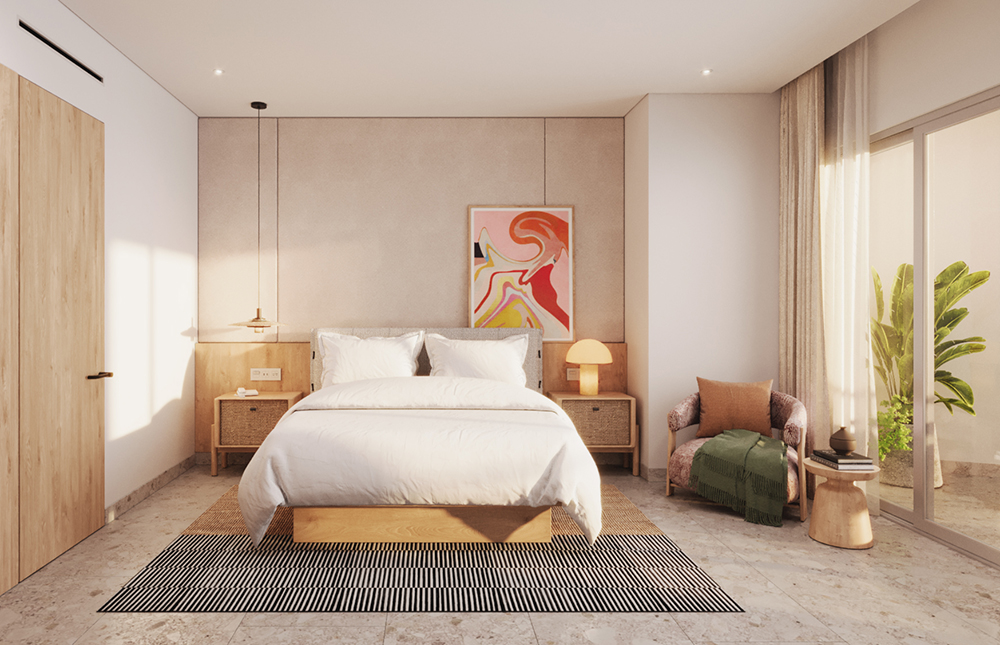
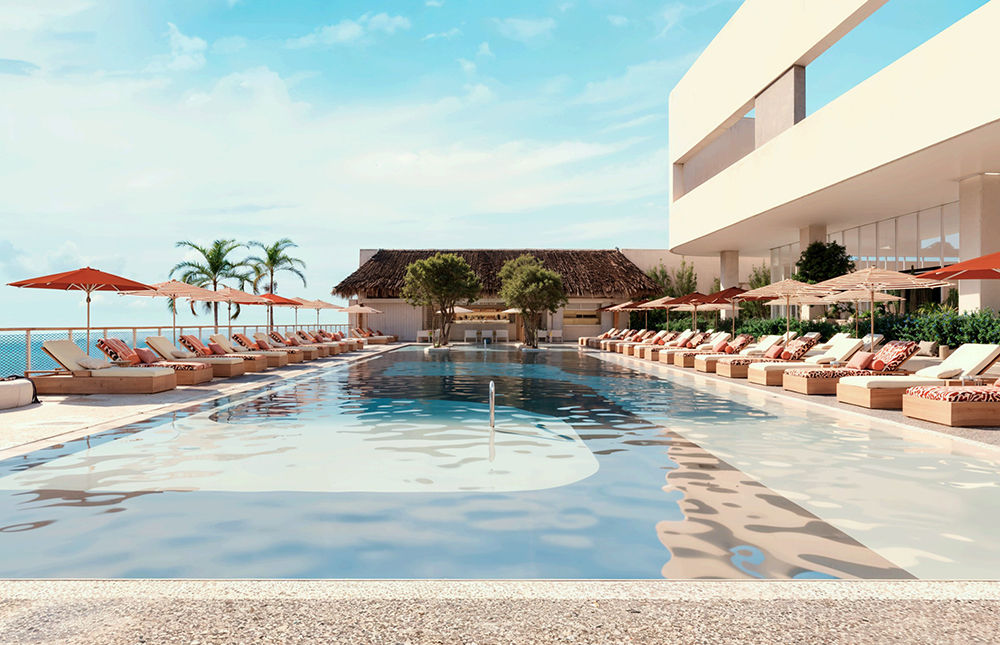
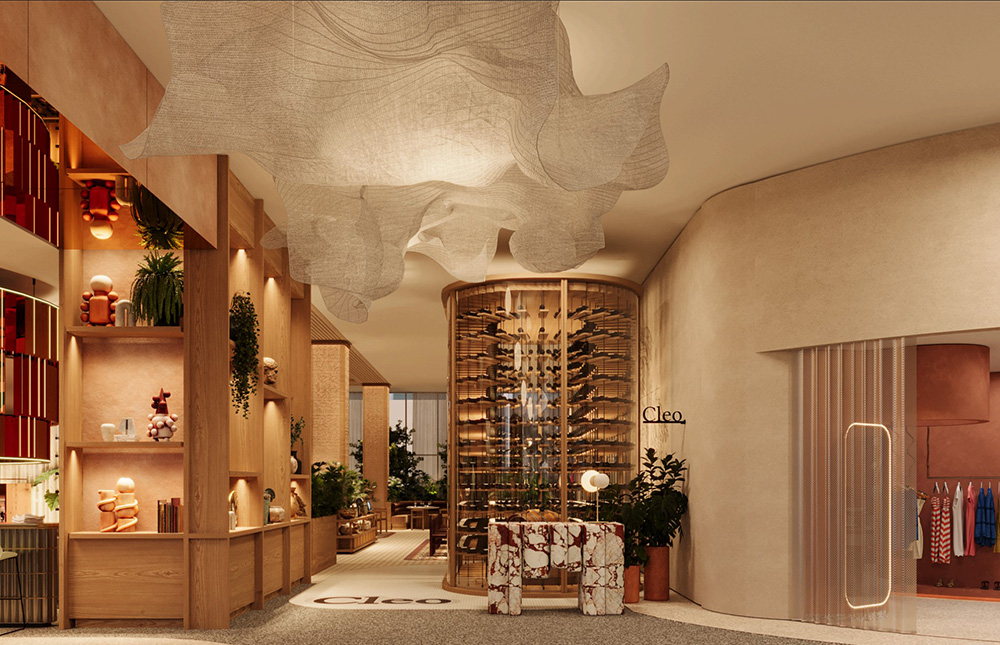
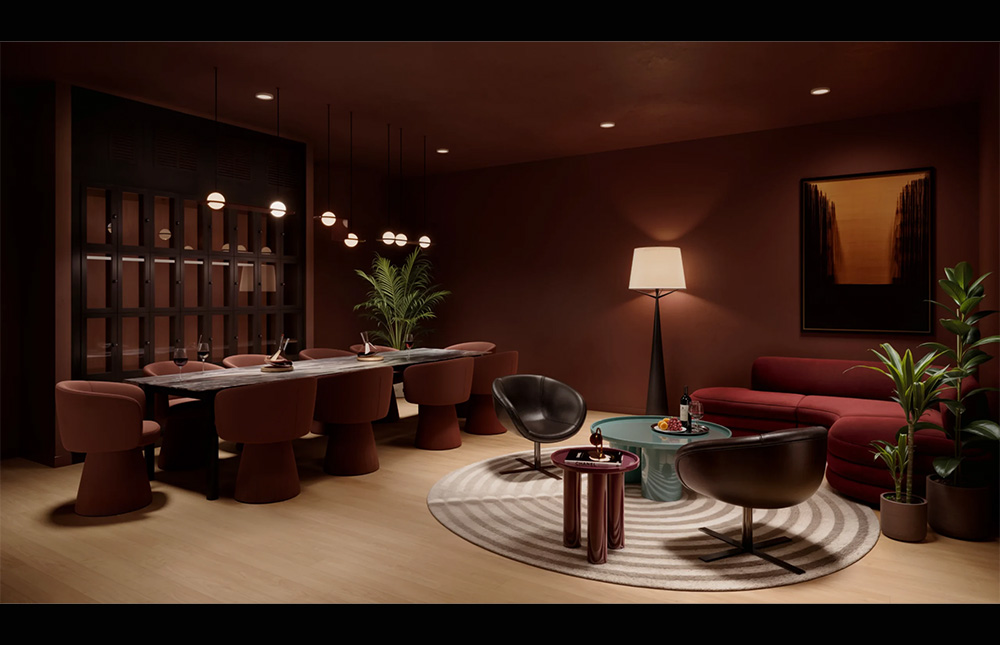
Hyde Mazatlán
Which recent project(s) is/are you most proud of, and what made it/them particularly meaningful to you?
Truthfully, I don’t know if I could pick just one. I can spend anywhere from one to five years on a project, and over that time you naturally build an attachment to it. It kind of becomes like your baby. Each project is unique and comes with its own set of challenges, but we also get to work with so many incredible people along the way, which makes each one special in its own way.
Tell us about redoing the Delano. What was it like taking on such an iconic property? What will be a highlight of the design?
Working on the Delano is one of those rare opportunities. It’s such an iconic property, and being part of its evolution is pretty incredible. Everyone you talk to has something great to say about it, so the real challenge with the renovation and new design direction has been keeping that same feeling while introducing something fresh.
The design feels new and updated, but we were intentional about holding onto a few of the original elements that people really connect with. You’ll still see pieces like the Dali Chair, the piano, and the dining set in the pool. Those are moments people remember, and they still feel timeless even within the new design direction.
Is there one brand at Ennismore that you are evolving and how are you approaching it? And/or is there one brand you are really excited about its growth/new properties and why?
Over the past few years, many of our brands have evolved. These have not been major changes, as the brands are already well known and loved, but rather thoughtful refreshes to keep them relevant in today’s market.
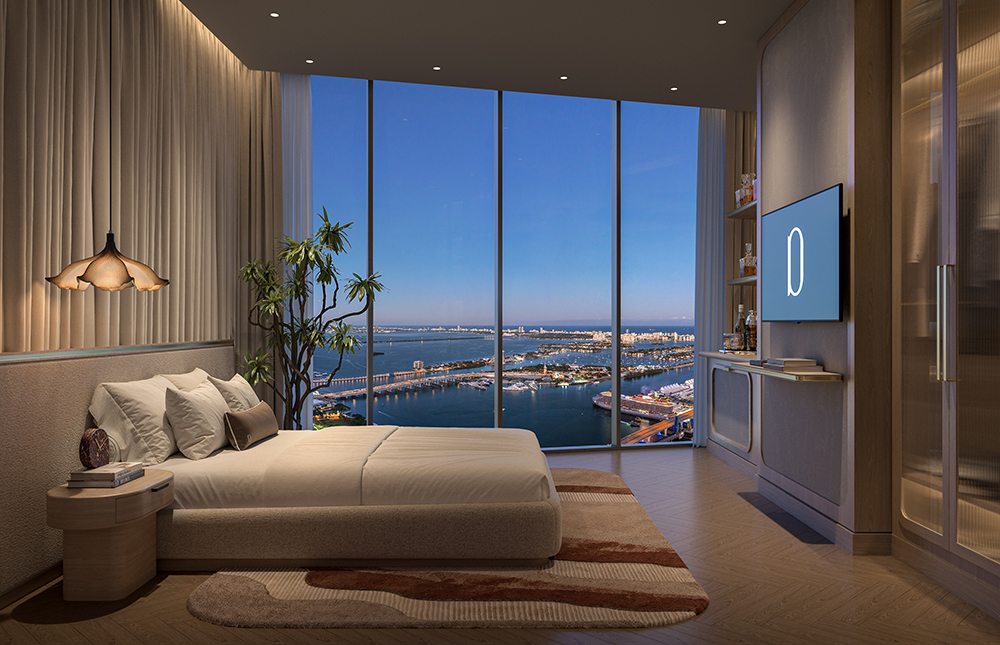
At the same time, several of our brands are expanding beyond traditional hotel properties into branded residences and luxury all-inclusive concepts. These require a different approach than a standalone hotel, so we have been evolving the brands accordingly to ensure they translate successfully into residential and all-inclusive environments.
How do you balance form and function? What do you wish more people paid attention to?
For me, it’s about using each in the right place. Both are equally important, especially in the lifestyle space we operate in. Coming from a design background, I naturally value the aesthetics, but working closely with our ops teams, I also see the other side. Guest feedback, durability issues, and how things actually perform over time.
Because of that, I have a pretty balanced perspective, and I’m quite firm with the design teams we work with to make sure functionality isn’t overlooked. A space can look great, but if it doesn’t work well day to day, it won’t hold up.
Lifestyle and luxury continue to blur. How do you approach or think about the two and how to keep them distinct?
I think the term “luxury” gets overused a lot. We often see properties being labeled as luxury, whether it’s something we’re taking over or what ownership is aiming for, but the product doesn’t always support that positioning.
Our main focus is really on lifestyle. Our brands span a wide range, from 2–3 star all the way up to 5-star.But what connects them is that lifestyle approach. Even at the higher end, it’s more about luxury lifestyle than traditional luxury. That’s really what sets our brands apart.
Can you share a memorable travel experience that inspired a change or innovation in your properties?
I take every travel experience and try to bring something back into our work. Especially when working outside of the U.S., it’s important to understand local customs and how people actually live and use spaces.
There’s a lot in design that needs to adapt to those local needs, whether it’s cultural preferences, functionality, or even how a space is operated day to day. That awareness really helps make the design feel more authentic and work better overall.
What’s your biggest challenge in your day to day? What’s the biggest opportunity?
I’d narrow it down to two things.
The first is giving critical feedback to the design firms we work with. Part of my role is making sure the design aligns with the brand, which means I often have to push back or redirect. It’s not always easy, especially coming from a design background and knowing what it feels like to be on the receiving end, but I always make sure the feedback is constructive and grounded in a clear reason. It’s never personal, it’s about making the project better.
The second is working with owners and stakeholders to help them understand the value of the brand and design they’re investing in. Naturally, there’s a strong focus on financials, but part of our role is reinforcing why sticking to the brand vision and design details is critical to the long-term success of the property.
You collaborate with many players. How would you define a successful collaboration? What would make a project go smoother?
I’m lucky to work with some incredibly talented people, and building those relationships has been a big part of the experience. I try to take something away from every project and every team I work with.
At the end of the day, success always comes down to teamwork. The best projects are the ones where everyone collaborates and brings their expertise to the table. On the flip side, when teams take a more rigid approach and don’t collaborate, those tend to be the projects that run into the most challenges.
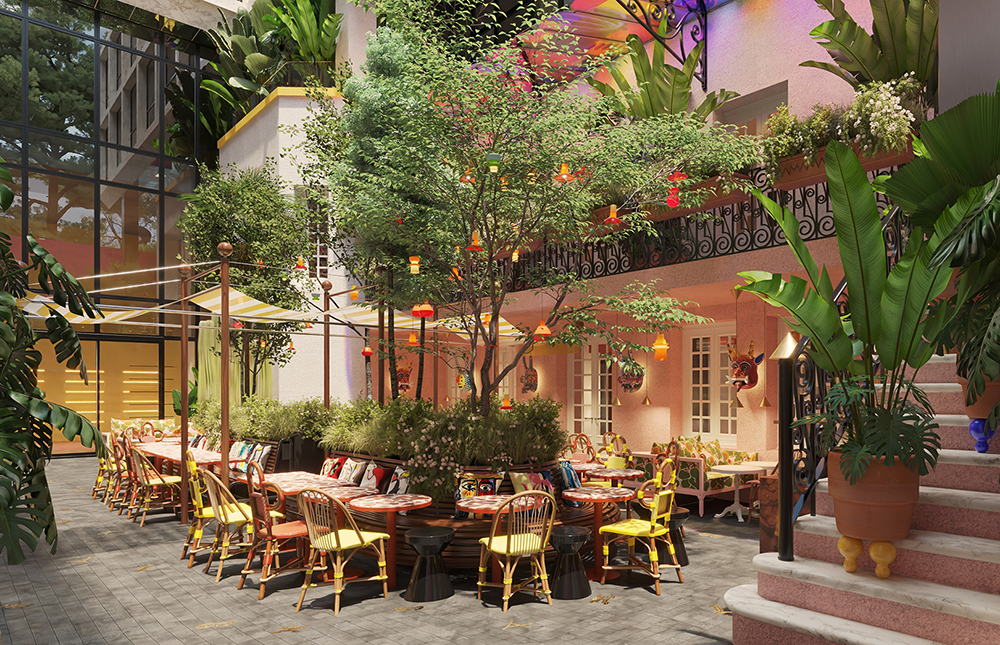
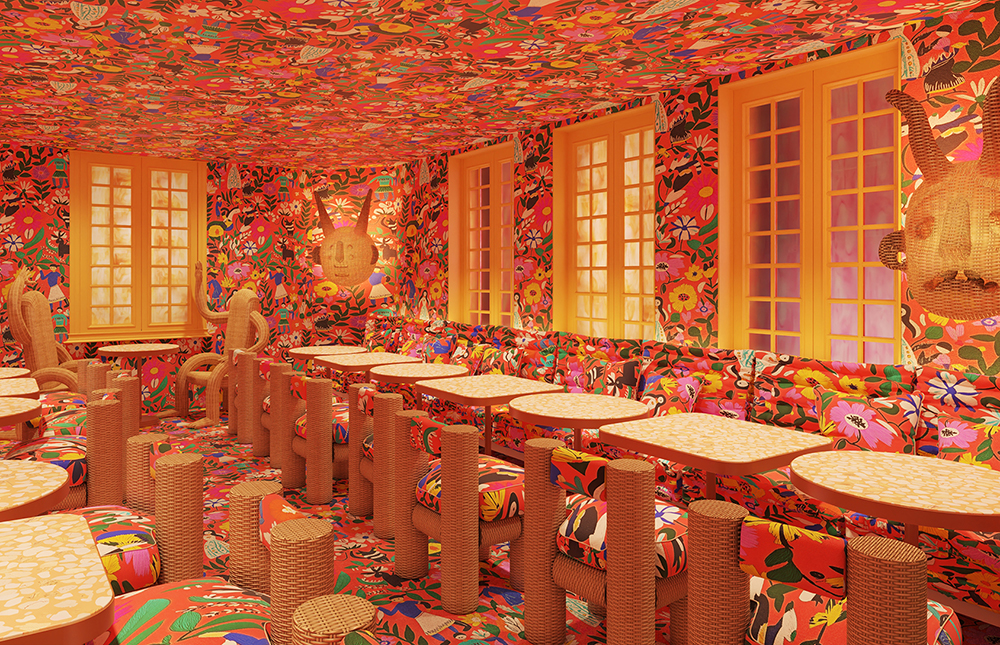
Mama Shelter Mexico City
What advice would you give aspiring designers?
It’s a tough industry, and you really have to put in the work to succeed. Determination is key & nothing is guaranteed just because you have a degree.
Early on, I had to make a lot of sacrifices while I was building my network and learning the industry. It takes time, but those experiences really shape your path.
Travel pet peeve?
I have so many! One that applies to both planes and hotels is people walking around barefoot. I can’t tell you how many times I’ve seen someone walk barefoot into an airplane bathroom. Same goes for hotel rooms…!
Beyond that, it really comes down to functionality in room design. Not enough outlets, poor lighting, those things always stand out. I’m lucky that I stay at our properties most of the time, but when I do stay elsewhere, I definitely end up going into full inspector mode.
What’s one thing people may not know about you?
I definitely have an outdoorsy side. I think people assume I’m always at fancy restaurants or traveling somewhere nice, which is fair. That’s a big part of my job and what people usually see on social media.
But when it comes to my personal time, I really enjoy being outdoors. Camping, hiking, dirt biking, road trips, anything active. I don’t get to do it as often as I did growing up, but whenever I have the time, I try to take full advantage of it.
Is there still a dream project on your bucket list?
A dream project for me would be working on something inspired by past centuries. Drawing from different architectural eras that had so much richness and detail. There’s a level of craftsmanship and layering in those designs that you just don’t see as much in today’s architecture.
Being able to reinterpret that level of detail in a modern way, while still keeping it functional and relevant, would be really exciting. Maybe one day!