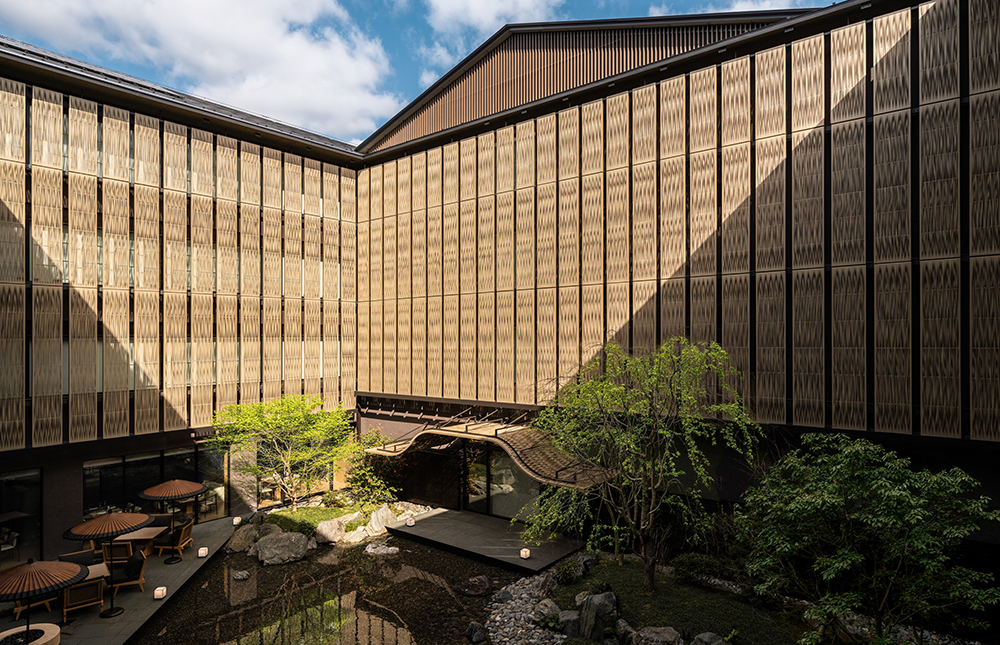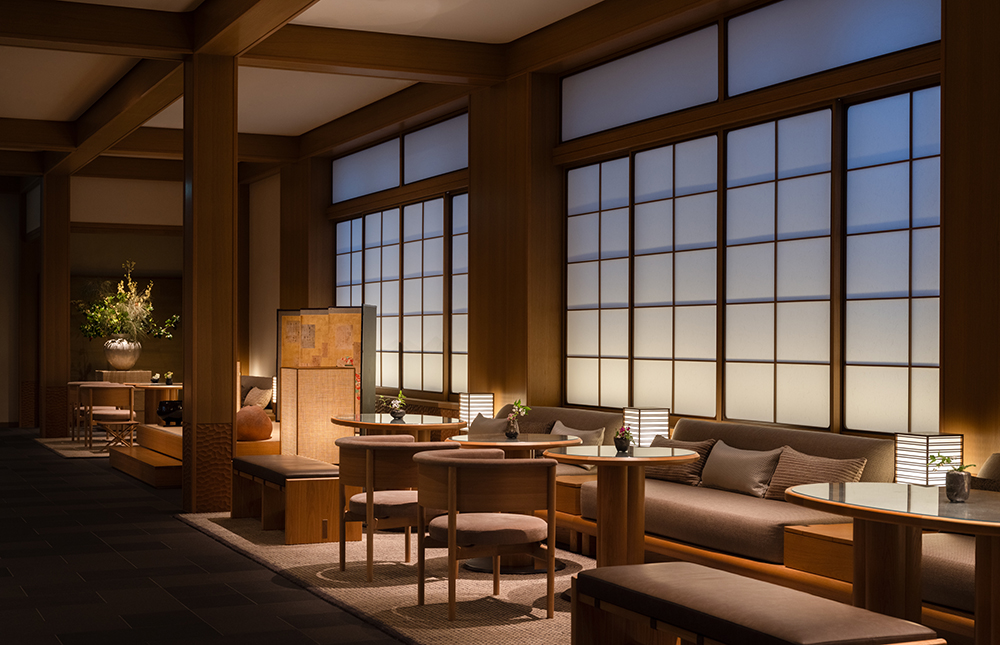

In Kyoto’s historic Gion district, a hidden sanctuary beckons. Drawing upon the city’s expansive cultural heritage as well as its architectural vernacular, Capella Kyoto emerges as a modern machiya—a subtle but expressive composition of light, material, and memory. Together, Brewin Design Office and Kengo Kuma & Associates conceived the exclusive retreat as a contemporary complement to neighboring institutions like the storied Kaburenjo Theatre and Kenninji, the city’s oldest Zen temple. “We had to find a way of expressing Kyoto without simply reproducing traditional forms or being overly thematic,” says Brewin founder Robert Cheng. “That became a very important source of inspiration for us, and we looked at the principles we found in Kyoto such as layering, intimacy, changes in scale, framed and partial views, moments of compression and release, and the relationship between inside and outside.”
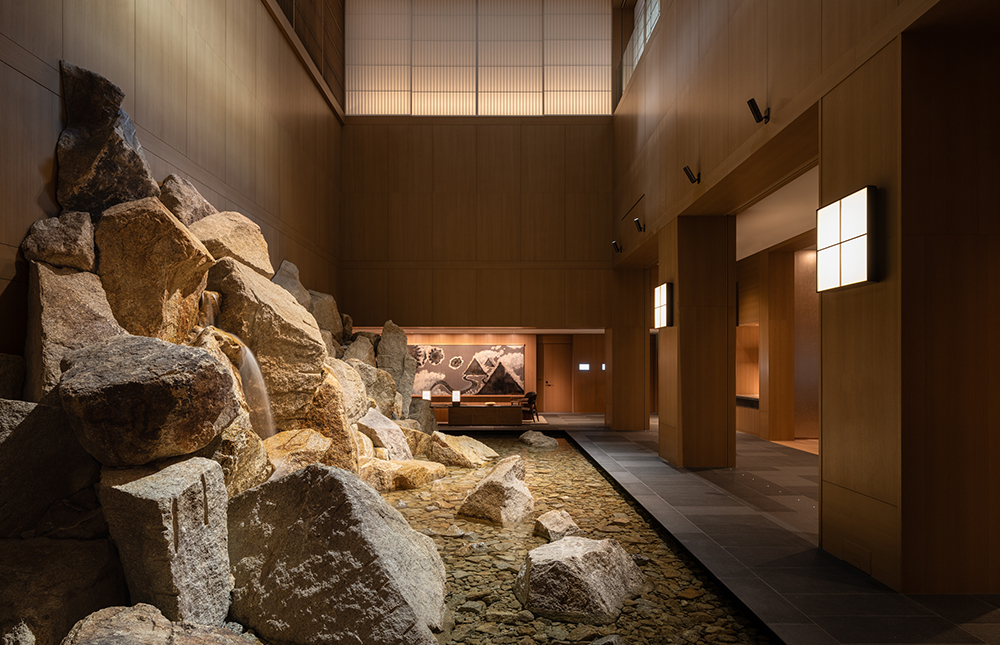
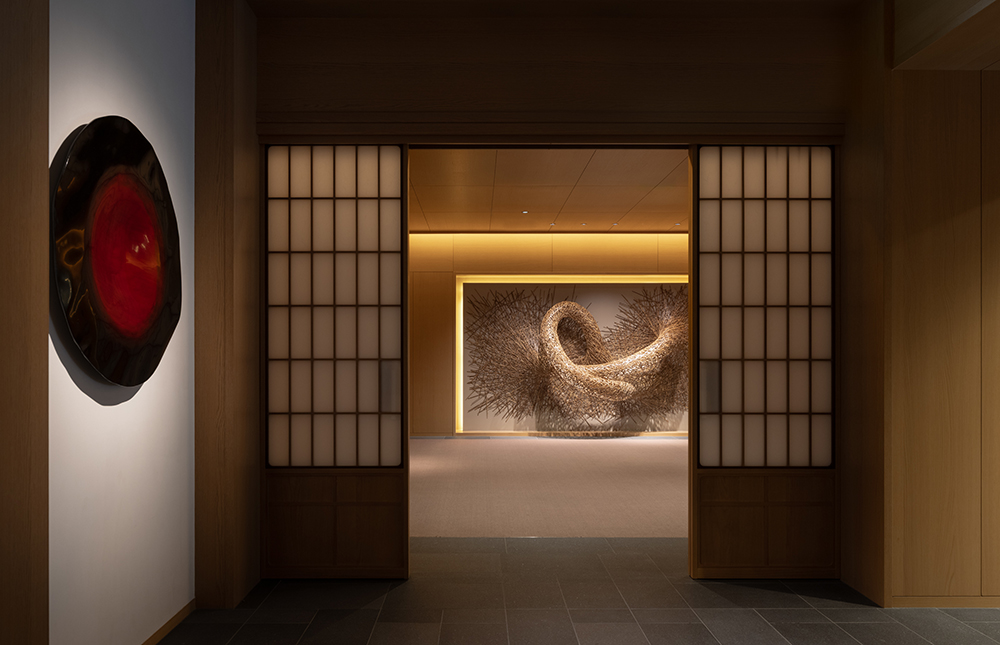
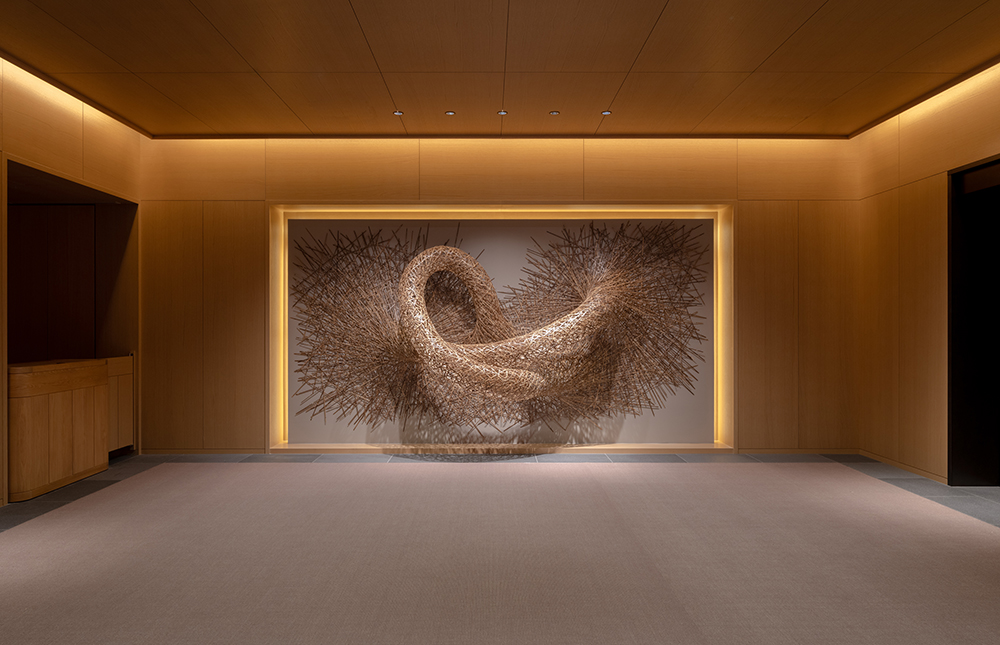
Reclaimed timber sourced from the site’s previous tenant sets a foundation for authenticity as guests arrive through a narrow Gion-style alleyway. Lined with shoji screens softening the sound of a concealed waterfall, the entrance arrival experience encourages visitors to acclimate to a slower, gentler tempo while also heightening anticipation of what’s to come. The moment culminates in a modern airlock framing a sculptural shimenawa, or a sacred rope signaling the boundary between the everyday and the contemplative. “There’s a feeling we wanted to create through the slowing of pace, the gradual discovery of spaces, the changing views, and the relationship between inside and outside,” Cheng adds. “We want people to remember how the hotel made them feel.”
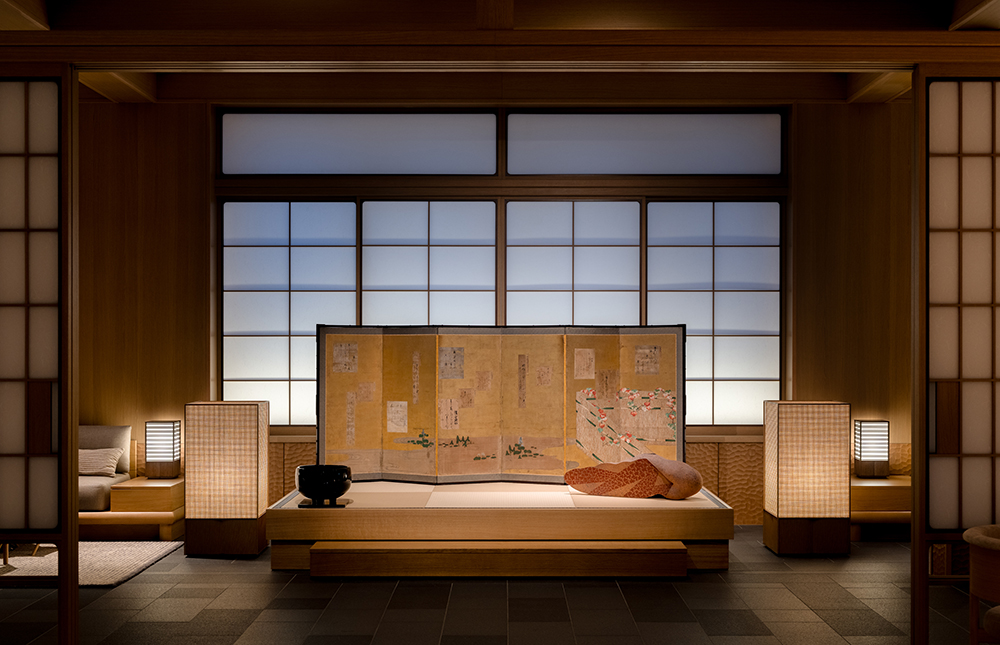
A cloistered courtyard sits at the center of the property to imbue calm, complete with a meditative water feature. Inside, hand-applied earthen plaster walls, authentic shoji panels, and carved timber joinery inspired by chōba-tansu merchant chests add subtle depth alongside a rhythmic medley of lacquer, bronze, ceramic, and handmade washi paper. “Materiality was very important to us because Kyoto has such an extraordinary culture of making and craftsmanship,” Cheng says. “Throughout the hotel, there is this balance between new craftsmanship and materials that already have a memory and a life of their own.”
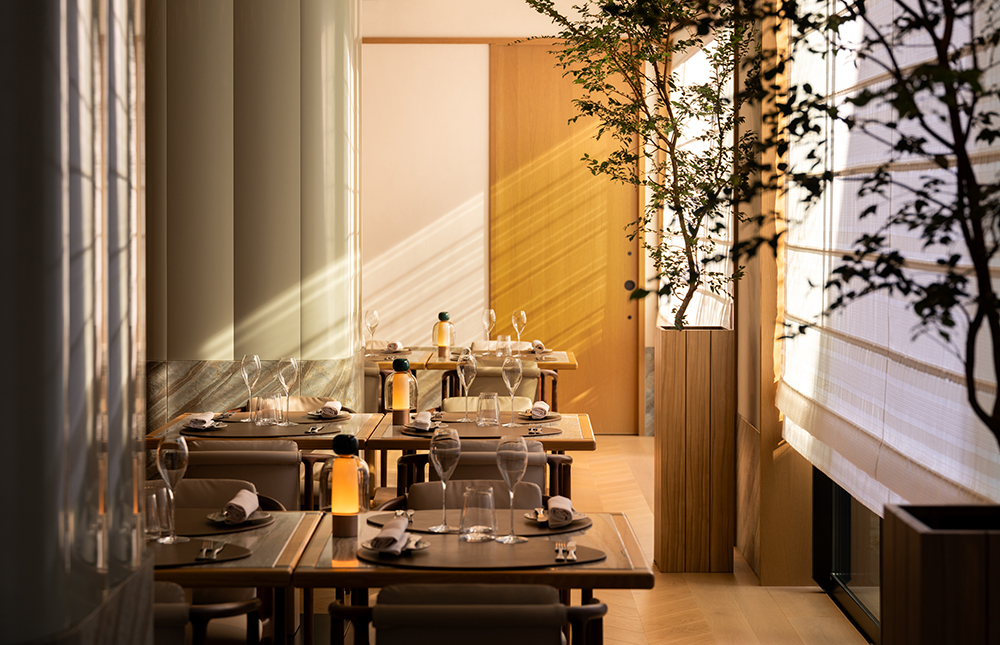
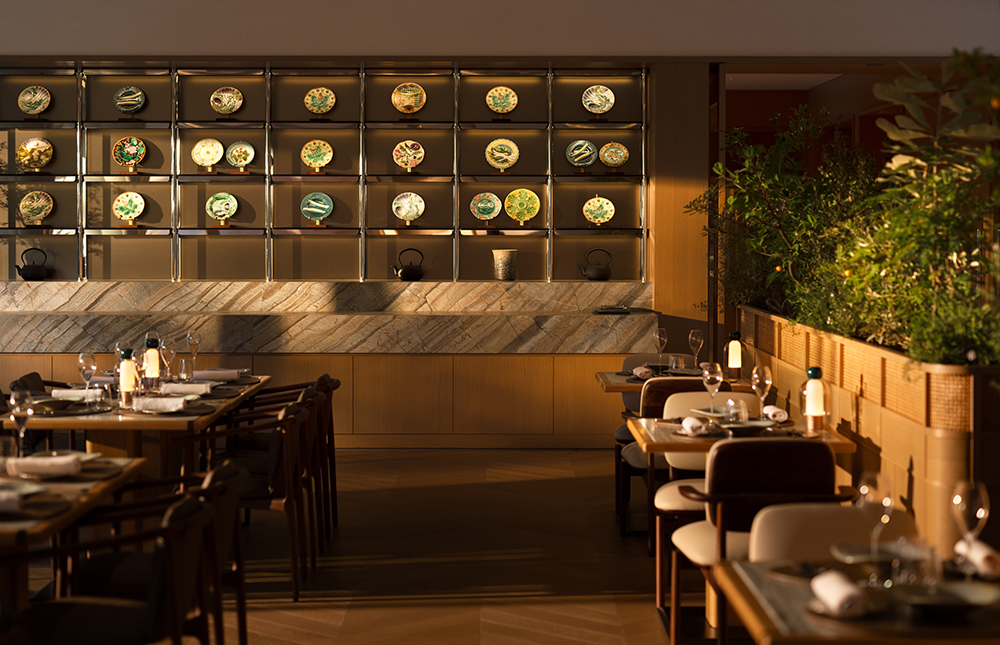
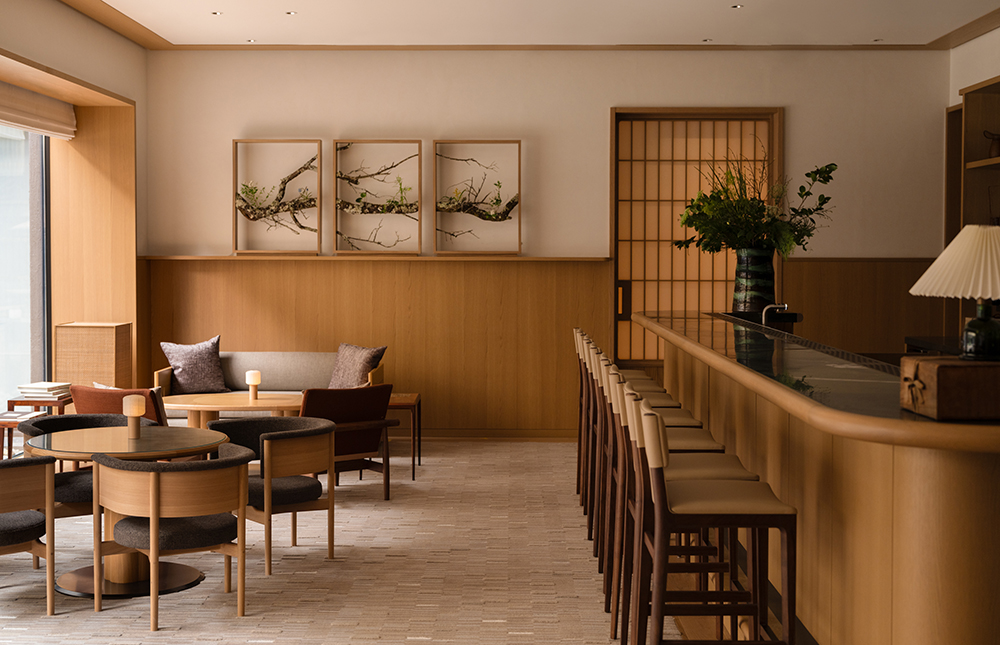
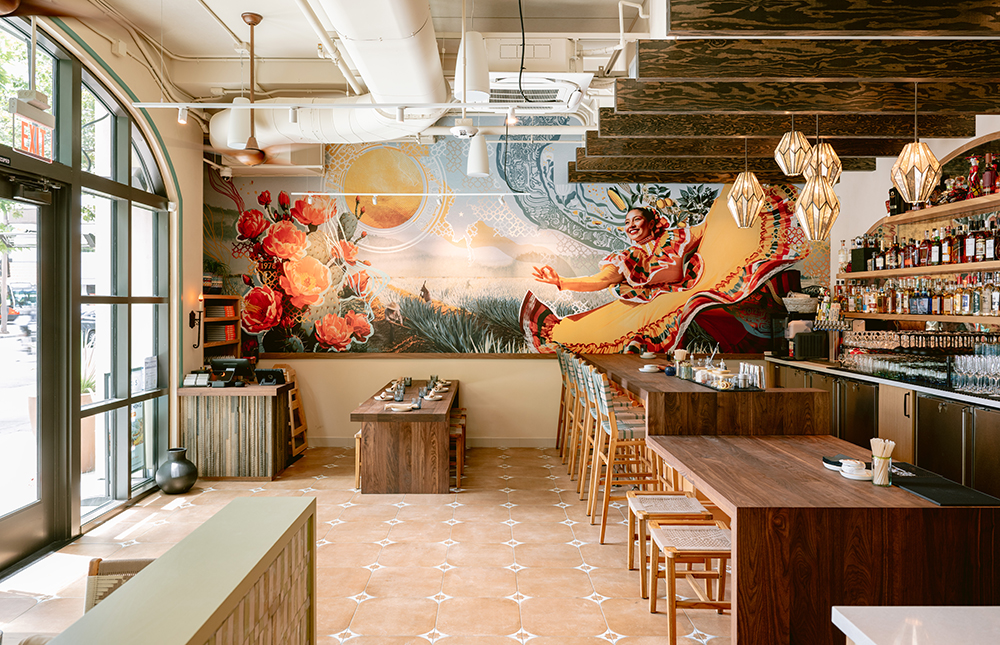
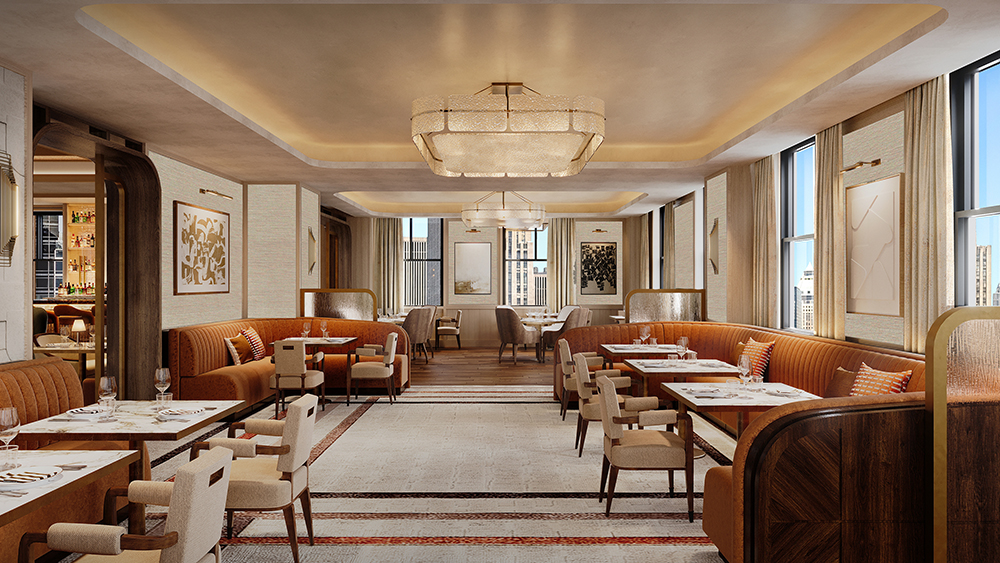
The onsite Japanese eatery incorporates reclaimed wood and handcrafted lights sourced directly from the previous tenant to compose a sophisticated aesthetic apt for elevated late-night dining. All-day French brasserie Lanterne invokes the indulgent allure of a French bistro while also infusing the contemplative, sensory richness of Kyoto and Japanese reverence for nature. Marble, herringbone floors, and columns redolent of Japanese ornamental styles illustrate both local craftsmanship and Parisian refinement beside pale woods, delicate woven textures, and subtle floral partitions. Rounding out the F&B lineup, the traditional Japanese teahouse gets a more modern spin at the hotel’s intimate signature restaurant. Softly lit akin to an andon lantern, the living room echoes residential motifs with objets d’art from the chef’s travels. “The broader idea of public and private spaces is connected by the same underlying approach: layering, proportion, materiality and gradual discovery,” Cheng says. “As you move into the guestrooms, the experience becomes progressively quieter and more private.”
Conceived as private sanctuaries centered on the Japanese ritual of bathing, each guestroom and suite is endowed with a deep stone tub accented by muted surfaces and tactile finishes that reinforce contemplation. The sumptuous centerpiece not only reinforces quietude and wellness, but also reflects the spirit of the city by expressing the soothing potential of design. “Kyoto has an incredibly strong identity, and we didn’t feel that the hotel needed to compete with that,” Cheng says. “The intention was to create something contemporary that could sit quietly within that context, and we hope that what makes it distinctive is that sense of belonging within its context.”