
A longstanding cultural fixture of Colombia, “Pensiónes Bogotanas” have offered respite for travelers across the last century. After nearly 100 years, the guesthouse model is ripe for reinvention, and thanks to Bogotá- and New York-based design firm Práctica Popular, a new urban retreat in the Colombian capital’s historic Chapinero neighborhood envisions a new way of inhabiting heritage. Through the adaptive reuse of two historic structures, Casa Doce embodies history while looking ahead. “This approach aims to evoke nostalgia,” says principal Rubén Gómez Gañán, “offering guests immersion in the city’s social fabric without sacrificing modern hotel comforts, while retaining the intimacy of a guesthouse.”
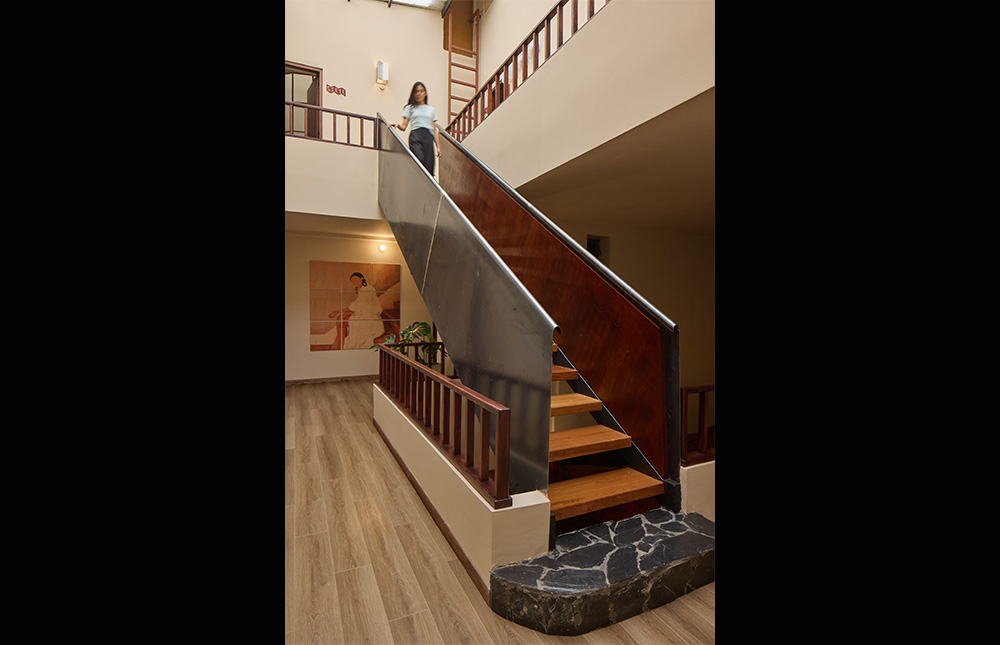
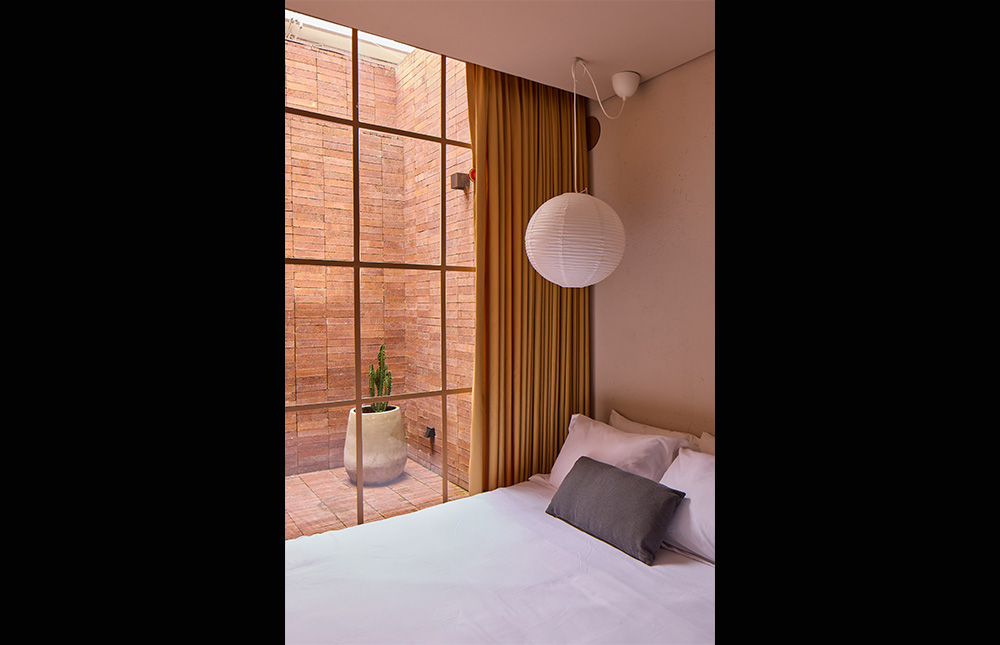
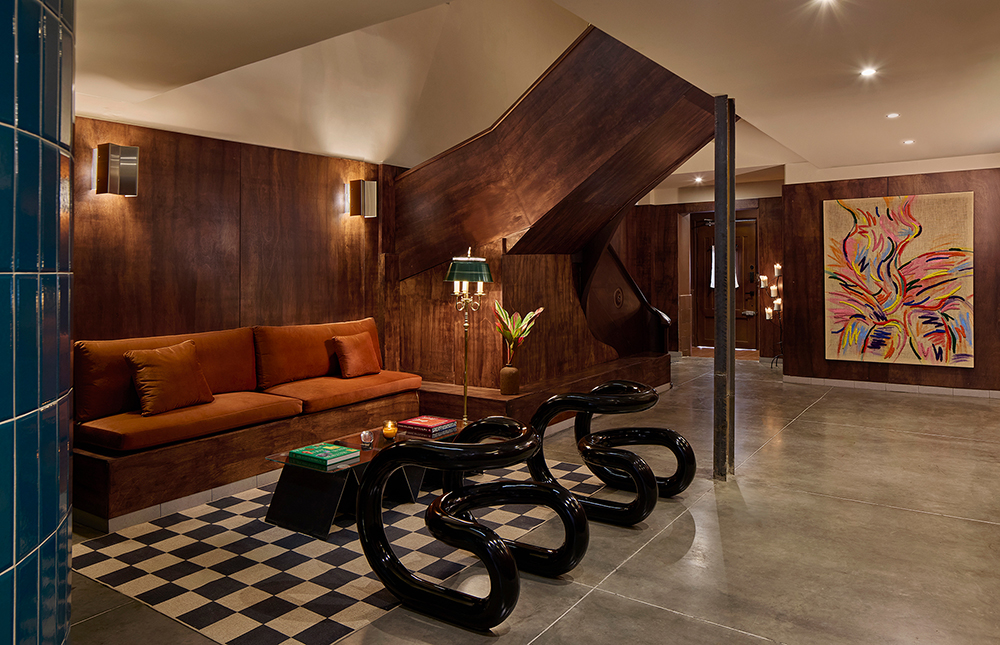
Casa Doce unifies both a traditional single-family home that most recently served as an educational nursery and the former parking area of an early 20th century house later converted into a multifamily dwelling. More evocative of 1920s guesthouses, the first building retains historical focal points like an original wooden staircase restored by artisans. Conceived for slower, more tangible experiences, public spaces are diffused with ambient lighting from a three-story atrium, while indirect artificial lighting gently fosters a reflective atmosphere. An entry vestibule draws ample daylight into the ground floor as well, while nine units span the second and third floors. Classic furniture and steel-frame windows with tinted glass are installed along with brick and terracotta elements inspired by the clay quarries of southern Bogotá. “These quarries yield not only bricks but also gres, a material deeply embedded in Colombia’s architectural history for its aesthetic and thermal properties. Used for kitchens, bathrooms, and accent tiling, the gres’ warm reddish hues beautifully contrast with the opaque wooden elements,” Gómez says. “This material palette seamlessly captures the essence of Chapinero and its guesthouses.”
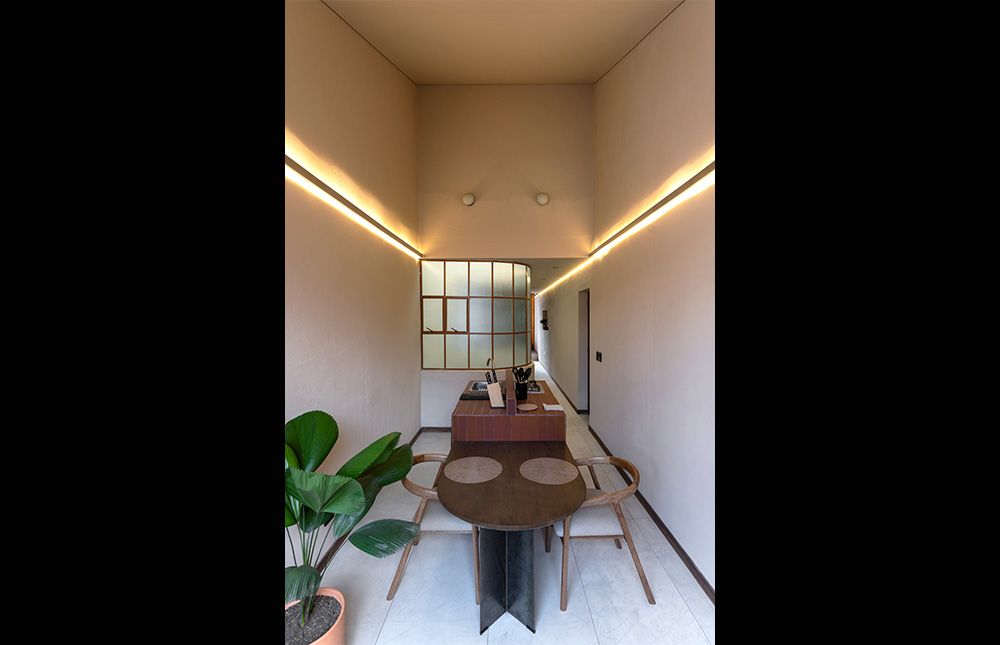
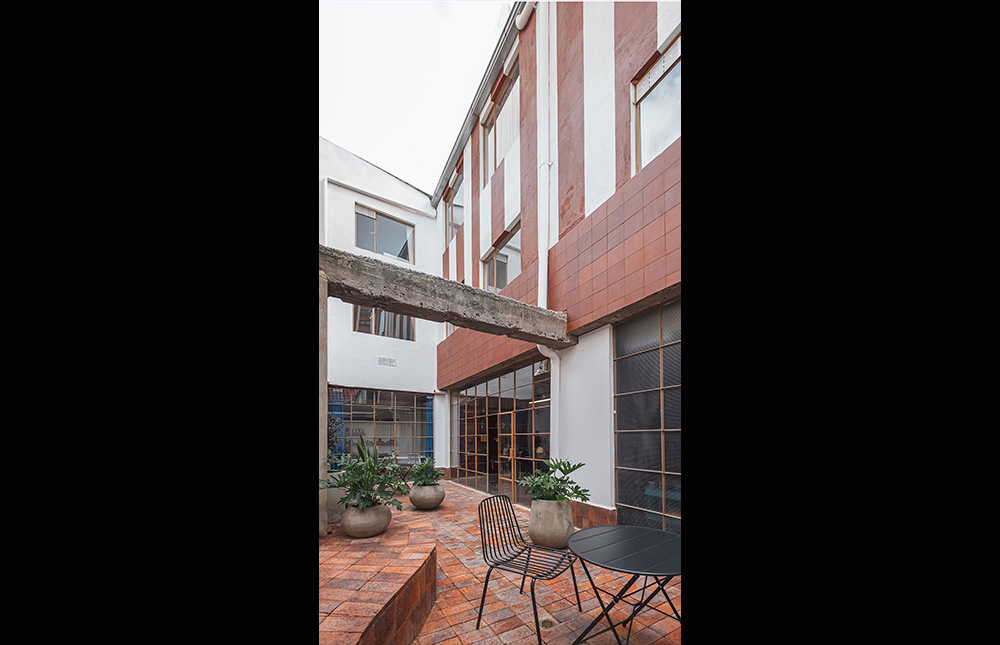
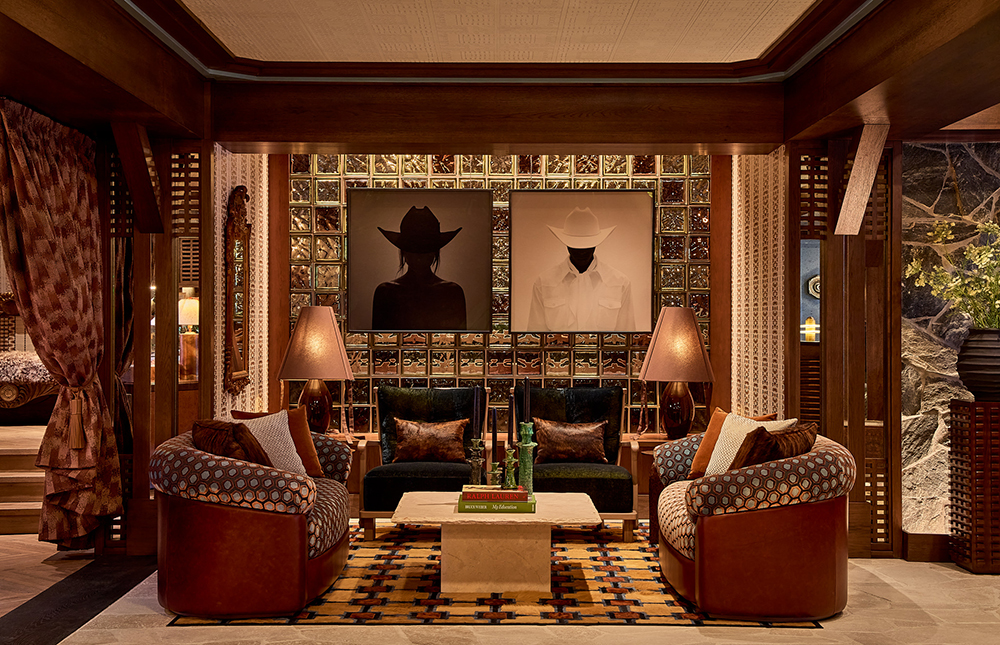
To maximize its narrow footprint, the former parking area shirks traverse walls to let the parcel breathe. Stepped back at both ends, façades restore original boundary walls to carve out two intimate patios. Curved iron and wood ensconce the property’s front garden, while terracotta hues echo the local vernacular on the rear terrace. Inside, a glass block wall divides social and private areas as it channels natural light through interiors anchored by a central kitchen and bathroom.
As humble materials dovetail with traditional layouts, a singular bond of past and present is distilled. Práctica Popular’s preservation work unfolds less like a celebration of history and more like an engine of the city’s evolution. “In Colombia, there is a general tendency to import hospitality models that promote aspirations disconnected from the local context, resulting in the gradual loss of the territory’s ancestral wisdom. Casa Doce responds by reclaiming the guesthouse as a genuinely local typology,” Gómez adds. “Casa Doce aims to be a space of discovery and authenticity, where guests can stay in an environment deeply rooted in the city’s traditions.”