


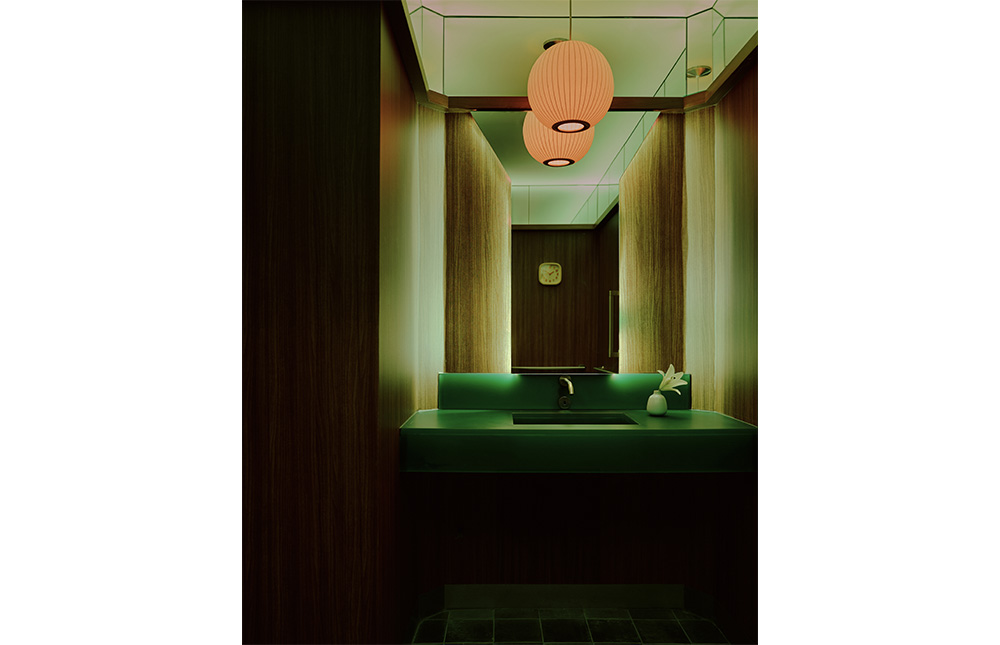
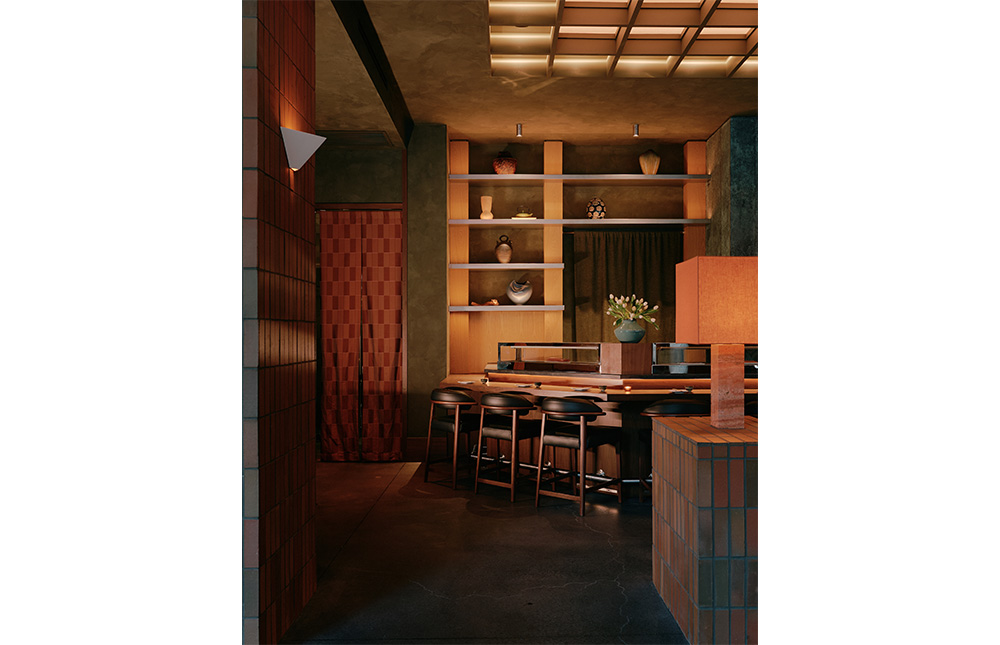
Founder and creative director of Islyn Studio, Ashley Wilkins shares her favorite finds in Charleston and spotlights her recent F&B project, Uchi DC.
Her why: From a hospitality and food perspective, it’s less about formal destinations and more about experience, seeking out local guides, small family-run kitchens, and community-centered spaces where dishes like okra soup, red rice, and fresh seafood are prepared in ways that have been passed down for generations. There’s an intimacy to it—storytelling, music, basketweaving, and cooking all intertwined—that feels incredibly aligned with how we think about creating spaces rooted in history, driven by people, and carried forward through care and continuity.
Hotels
I always gravitate toward the historic fabric of a city, places where you can feel the layers. The Pinch, designed by my friend Becca Roderick, stands out for how thoughtfully it blends that history with a contemporary, residential sensibility, offering apartment-style stays with beautifully integrated kitchenettes, a minibar stocked with high and low local provisions, and small rituals like a welcome spritz and a full suite of Aesop products in the guestrooms. The hotel feels like staying in a friend’s home, someone with incredible taste and a deep sense of Southern hospitality, where every detail has been considered but nothing feels overdone.
F&B
167 Raw Oyster Bar is all about East Coast seafood, especially oysters. You can settle in at the raw bar and lose track of time nerding out with the shuckers over mollusks and the specificity of their craft. If I lived in Charleston this would be my weekly third space.
Chubby Fish feels like a restaurant for chefs, the kind of place where people in the industry go on their night off. The menu is rooted in lowcountry seafood but constantly reimagined, with inventive, highly technical dishes that still feel unfussy and immediate, pushing familiar ingredients into entirely new territory.
FIG is one of the most iconic staples in Charleston, defining what seasonal, ingredient-driven American cuisine looks like in the city. It’s consistent in a way that feels almost effortless, grounded, refined, and deeply tied to local farms and purveyors.
Tucked into a neighborhood setting that feels distinctly local and current, Vern’s offers a more modern, evolving take. The food leans seasonal and American as well, but with a slightly more experimental edge paired with an atmosphere that feels relaxed, social, and very of the moment.
King BBQ offers a Chinese-American take on Southern barbecue, blending traditional roasting techniques with low-country ingredients in a way that feels both unexpected and deeply rooted.
Xiao Bao Biscuit serves a highly personal interpretation of Asian and Asian American cuisine out of a converted gas station, where dishes pull from Chinese, Thai, and Vietnamese influences with a playful, contemporary edge.
Bintü Atelier highlights West African cuisine through bold spices, layered flavors, and a strong cultural point of view, bringing a perspective that has been historically underrepresented in Charleston.
What ties all these places together is not just the food, but the perspective. They’re driven by chefs and teams who are bringing their own histories, migrations, and lived experiences into the work. In a city known for preserving tradition, these spaces are gently but confidently pushing boundaries, expanding what Charleston tastes like, and what it can become. It’s the kind of evolution that makes a place feel truly dynamic, where new voices aren’t replacing the old, but adding depth, tension, and a much richer story.
Retail
I love wandering through the French Quarter’s antique shops. It is less about shopping at a specific store and more about discovery. You’re moving through time, guided by material, patina, and provenance, letting objects reveal themselves rather than forcing an outcome.
Wellness
My idea of wellness in Charleston is about connecting with nature. It’s a long walk on the beach just outside the city, where the landscape feels untouched, wild grasses moving in the wind, seabirds skimming the shoreline, and long stretches of sand where beachcombing for shark teeth is something of a local ritual. That quiet, observational time gives way to a frozen cocktail and shrimp roll at Sullivan’s Fish Camp, where the hospitality feels as memorable as the offerings, and then ending the night at The Obstinate Daughter, which is truly not to be missed. Their coastal Italian menu is both refined and deeply satisfying: handmade pastas, pristine seafood, and beautifully composed vegetable dishes, all in a setting that feels warm, lively, and effortlessly beautiful. It’s the kind of place you plan your day around and crave long after you’ve left.
Cultural
A visit to one of the nearby Gullah Geechee islands offers a much deeper understanding of Charleston’s cultural foundation. These communities, descendants of enslaved West Africans, have preserved a distinct language, foodways, and craft traditions that continue to shape the region in ways that aren’t always visible on the surface.