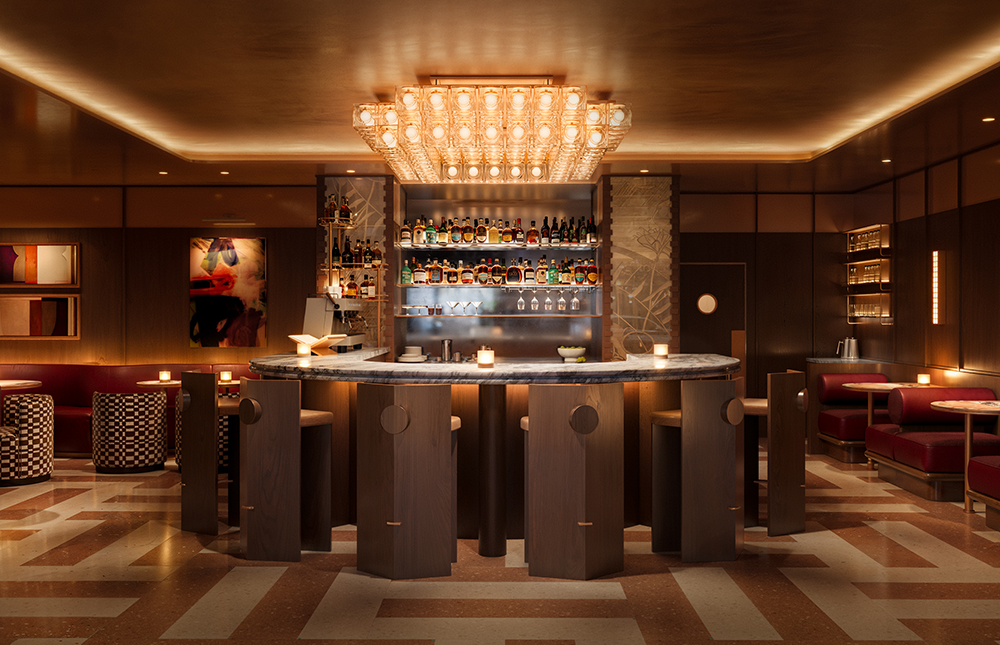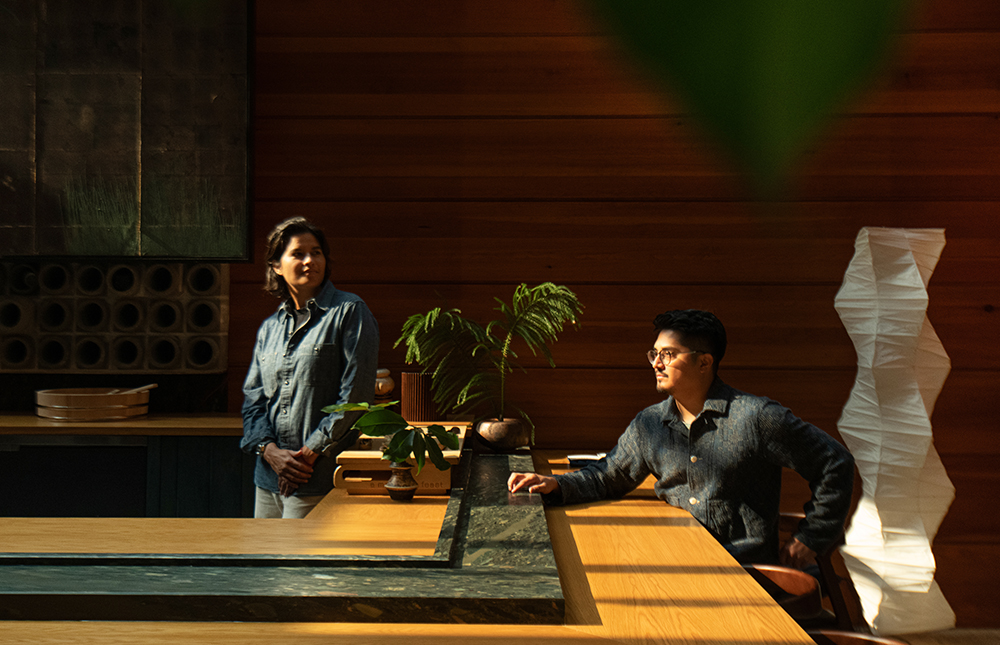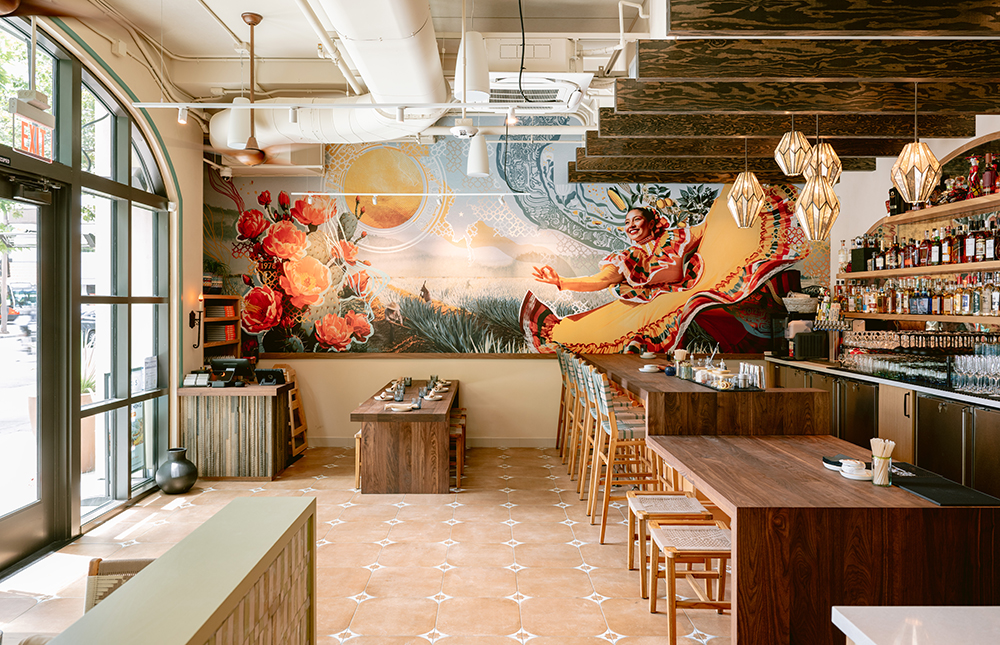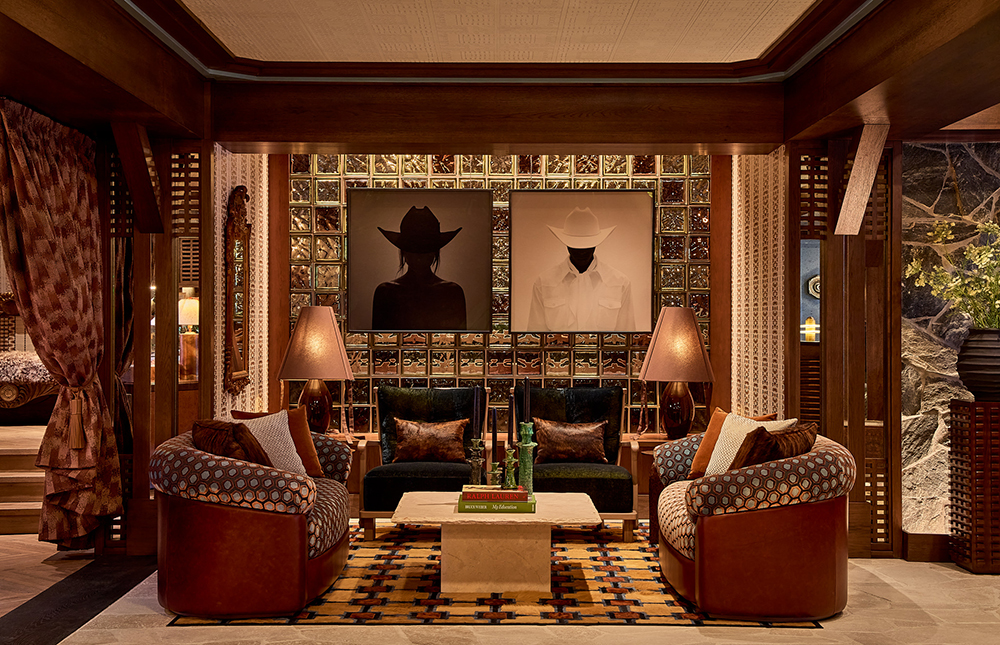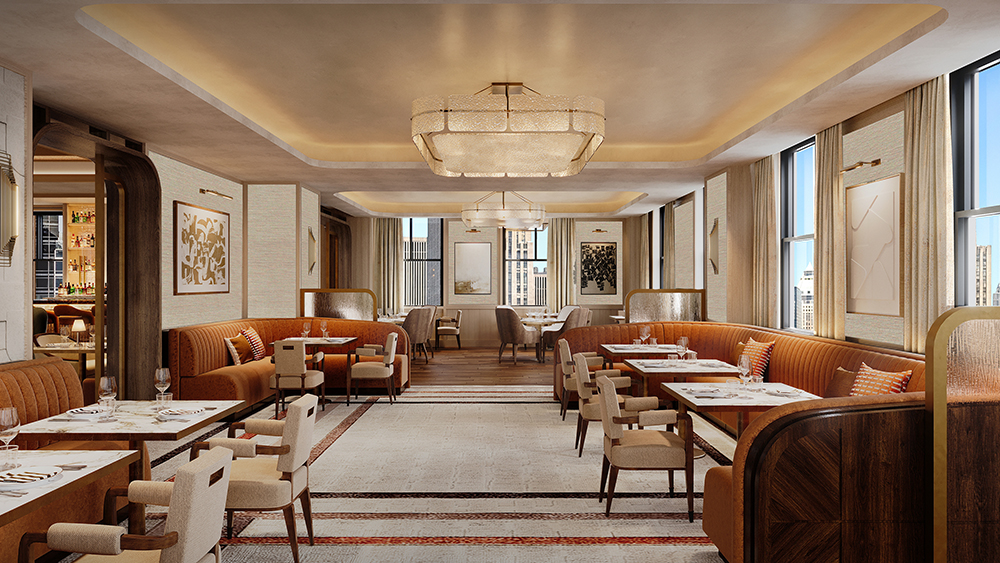

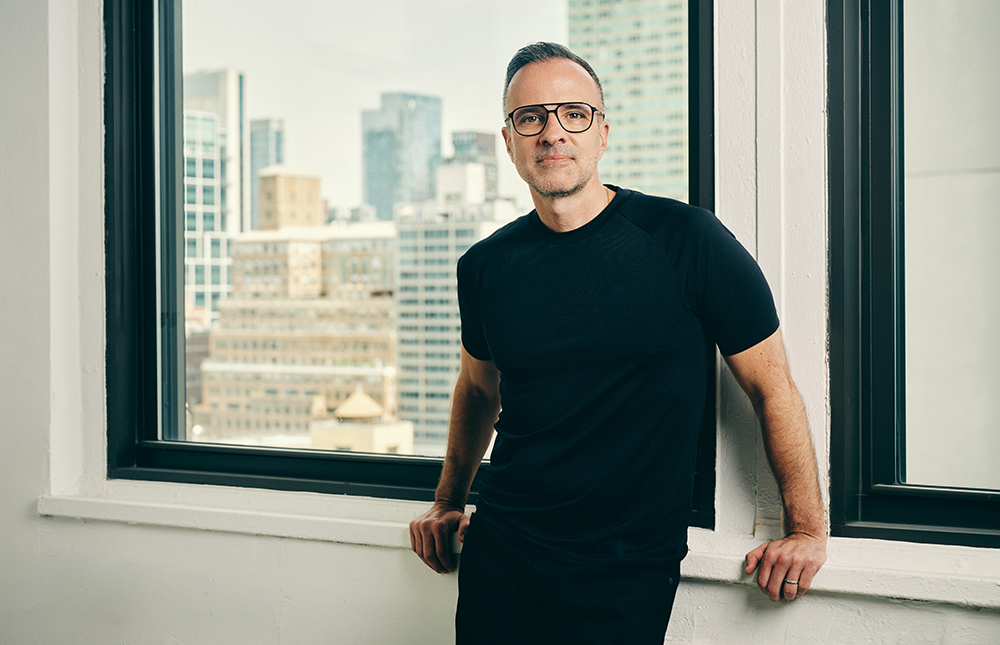
After nearly 15 years as a key fixture in one of the industry’s most dynamic firms, former Rockwell Group partner Greg Keffer is blazing his own trail. While his eponymous new practice will continue to refine his legacy of elevated and experiential hospitality interiors, Keffer will distinguish himself in the marketplace with a holistic, hands-on approach. From brand strategy to creative masterplanning, Keffer Studio is poised to stand out with comprehensive service defined by human centricity and sleek design.
When and why did you decide to launch your own practice? What did you want to accomplish on your own?
I had helped build something remarkable, but the scale of it created distance between me and the work I love most: the direct relationship with a client, the authorship of a project from concept through execution. Launching Keffer Studio is about reclaiming that. Bringing 30 years of experience to bear in a way where I’m fully accountable and fully present.
How did you prepare?
Change is what forces you to grow, so the prospect of launching something new didn’t frighten me. It energized me. The real preparation happened over my entire career—every client relationship, every project, every late night working through a concept was the real schooling. What I did more intentionally in the months before launching was map out the relationships I had built and ask myself honestly whether the work would follow me. The answer came back faster than I expected. The support from clients, peers, and the broader community has been genuinely humbling, and it confirmed that the timing was right.
How did you raise capital, acquire talent, find workspace, etc.?
Finding our home came together almost immediately. We reached out to a broker someone referred us to and within an hour were standing in what he called ‘the perfect space.’ I knew the moment I walked in that gorgeous, light-filled penthouse it was the right place to build something. On the talent side, I had been given some great advice early on: the best first hire you can make is someone who runs the business so you can focus on design and clients. I had worked closely with Armando De La Paz at Rockwell, where he served as my operations director. Bringing him on as COO was one of the best decisions I’ve made.
What have been some lessons learned?
When you’re inside a large institution, risk is something the organization absorbs. You can take creative swings because there’s infrastructure beneath you. When it’s your name on the door, every decision lands differently. What I’ve learned is that the risk doesn’t go away, you just get more honest about it. That honesty has made me a better designer and a better leader. You stop hedging and start committing.
How do you balance design acumen with business acumen?
I’ve always had a genuine passion for both. I love the design process, challenging the team, pushing ideas until something clicks. But I’m equally energized by the business side—how a firm is organized, how projects are structured financially, how you create an environment where people can actually grow. What I’ve learned over the years is that the two are inseparable. The best design work comes out of a healthy, well-run practice. If you’re only focused on the creative side, eventually the business catches up with you in ways that compromises the work.
What have been some challenges/solutions as a leader?
The hardest part was recognizing how much of my leadership identity at Rockwell was tied to the institution—the systems, the reputation, the infrastructure. Stepping out meant rebuilding all of that while simultaneously running a business and designing projects. What I learned quickly is that you can’t do it alone and you shouldn’t try. You hire the right people, you stay focused on what only you can do, and you trust that a smaller, more agile firm has real advantages that a large institution simply can’t replicate.
How does your practice stand out?
When a client hires Keffer Studio, they get me. I am in the room, on the phone, making the decisions. That level of direct access and creative accountability is genuinely rare at this level of the industry. Beyond that, our focus on the intersection of luxury and lifestyle gives us a very specific point of view. We understand how people move through space, how they want to feel, and how great design elevates every touchpoint of an experience. Because our work spans hospitality design, brand strategy, and experiential master planning, we bring a cross-pollinated perspective that a more narrowly focused firm simply can’t offer. A client doesn’t just get a designer, but a strategic partner who can think about their brand and their guest experience from the inside out. At the core of all of it is a deep belief that the best hospitality design disappears into the experience it creates.
What are some projects you’re excited about right now?
We’re designing a new F&B concept in Toronto that operates as a coffee bar during the day and transforms into an aperitivo bar in the evening. We’re also working on our first retail project near Union Square in New York: a beauty concept that has the potential to redefine what a retail experience in that space can feel like. We were just awarded our first luxury hotel project with a brand that is really redefining what luxury hospitality looks like. To land a client of that caliber this early in the life of the firm speaks to the demand for what Keffer Studio offers.
What advice do you have for folks who want to launch their own practice?
Do it. If you have the passion, the experience, and the business acumen, the question isn’t whether to go, it’s when and how. Don’t leave before you’re ready but also don’t wait until the moment feels perfect because it never will. Make sure your network is real and not just a contact list. The relationships you’ve built over your career are your most valuable assets when you launch, and you need to know honestly whether the work will follow you. Hire for your weaknesses early. The right operational partner from day one will save you from yourself in ways you can’t fully anticipate.