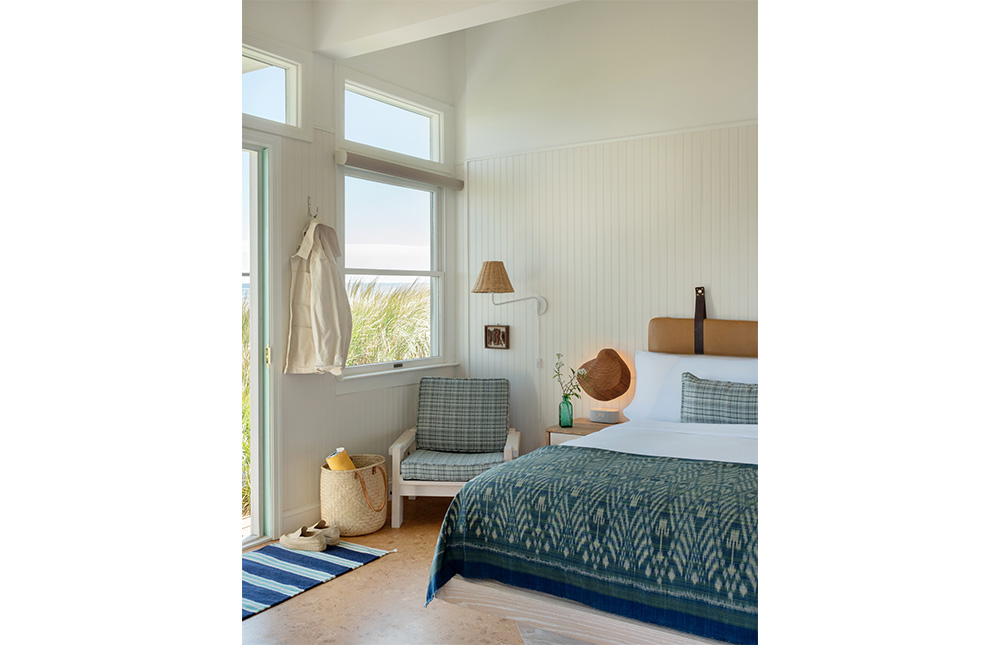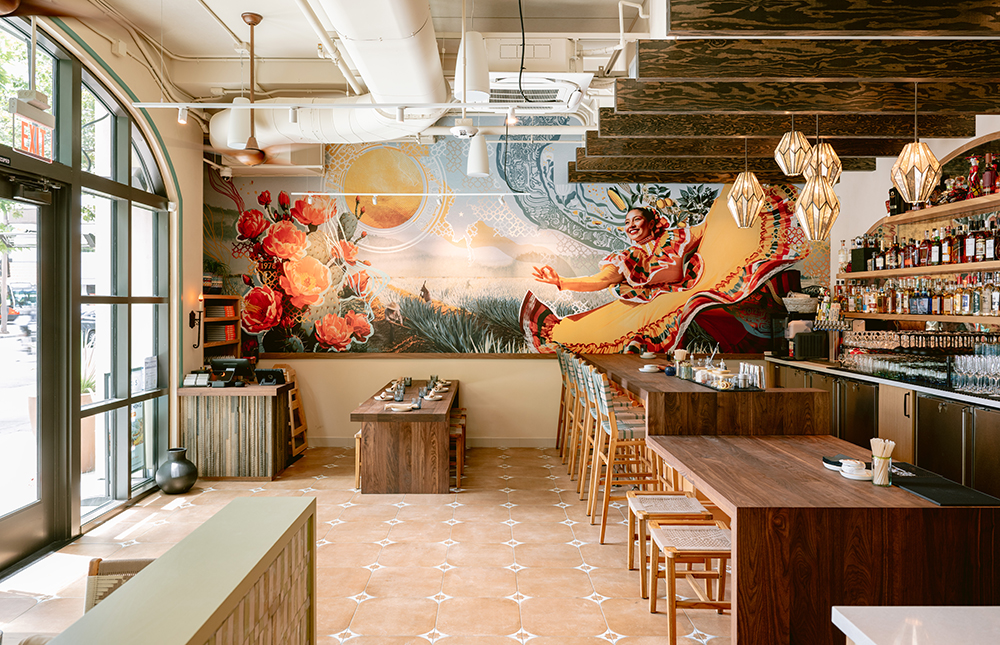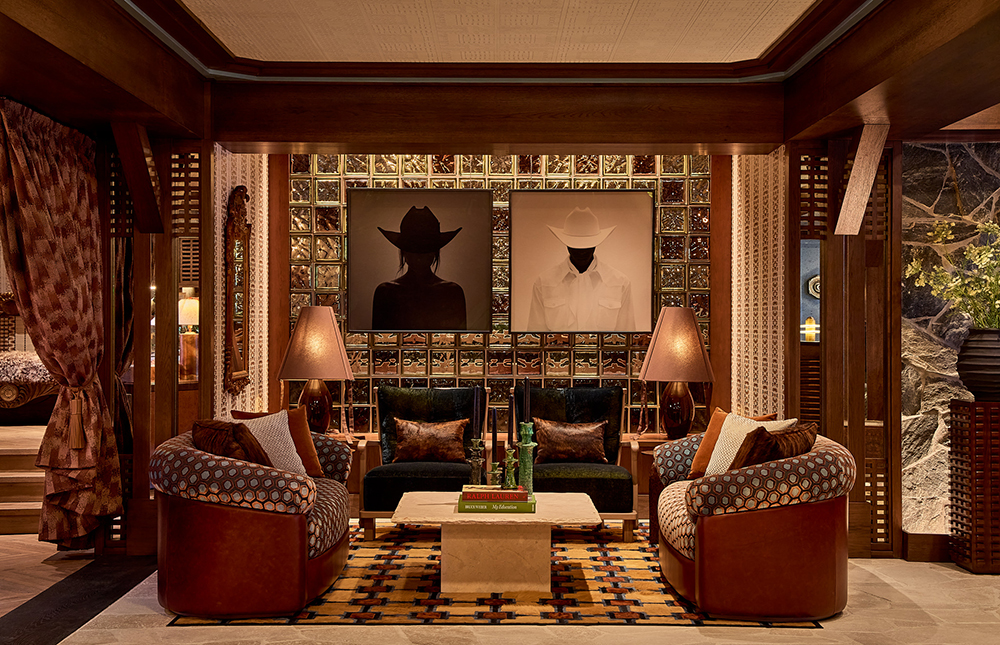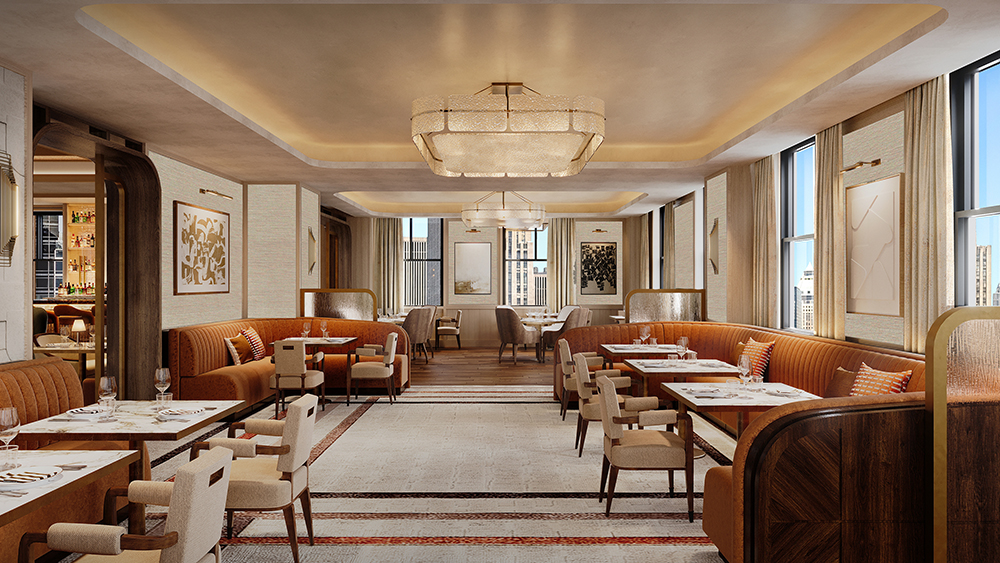

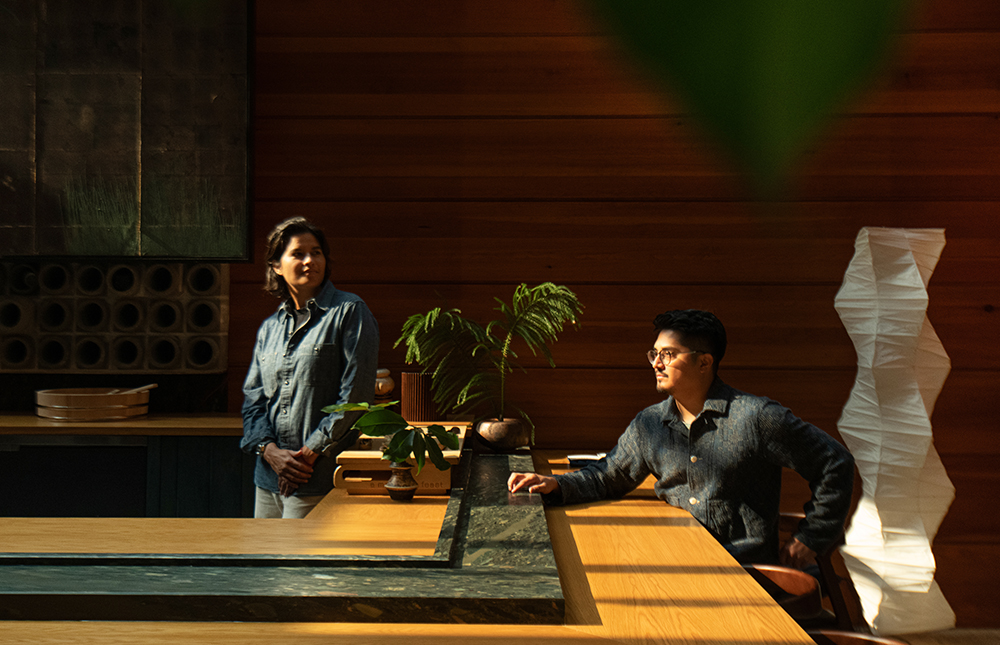
Four years ago, Whitley Esteban exited Roman and Williams to team up with Tom Scheerer alum Ernesto Gloria on a new practice. Since then, the two have built a portfolio of hospitality projects unified by refinement and an emphasis on craft. Wielding a meticulous reverence for expressive and experiential design, Esteban stewards Studio Tre to deliver distinction to projects big and small.
When and why did you decide to launch your own practice?
It was March of 2022 that Ernesto Gloria and I started Studio Tre. We had been working for really esteemed practices and individuals. There were some opportunities that presented themselves and the writing had been on the wall for longer than I probably even noticed. I don’t know if you can be fully prepared for starting your own practice, but we were at least naive enough to think maybe we were.
How did you prepare?
We are dear friends. He’s like a brother to me, and it was a very natural, instinctive thing to just jump on a particular opportunity when a project presented itself. It was very much building the plane as it’s taking off. We had a strong network of folks we’d built things with looking for, at that moment in time, a smaller outfit. Something up and coming. The work just kind of flowed from there. We really started by just getting to work, which is a really fortunate position to be in. We don’t feel young anymore but the practice was, so it was kind of the perfect alignment.
How have you learned to balance design acumen with business acumen?
I had a lot of exposure not just to the creative and design side of the practice. I was always keenly interested in, “We all have a little bit too much to do. How do we prioritize our time? What is most important? Which jobs have the best margin or which projects represent the most longstanding client relationship or the most important new venture?”
There was always an implicit understanding that this is all a commercial venture. It was all an investment of some kind, whether or not it was a hospitality venture or residential. From the creative side of things, that just informed a broader awareness of the brass tax of running a practice and resource management. I was really fortunate to shadow people within practices that offered a lot of exposure to that. I’ve always had a little bit of a practical, “lemonade stand” perspective about making these things happen.
What have been some lessons learned?
There is always more to learn. If you’re out there pursuing excellence and doing it the right way, there is always someone willing to lend a hand and an ear. Be confident enough to ask for help, to admit you don’t know something, but be bold and disciplined enough to learn that thing you don’t know more deeply and more comprehensively than everybody else in the room.
How does your practice stand out?
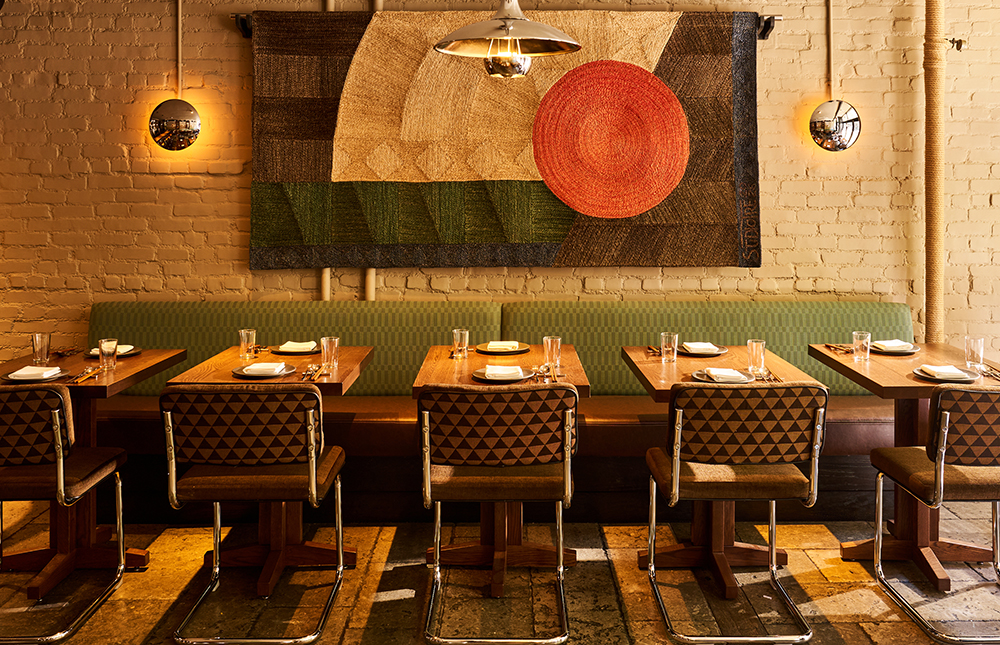
I hope what our clients experience is an incredibly high level of detail. Even on jobs that are really small scale, we still try to truly inhabit the project, weave through whatever these central core ideas are, and tailor details, material selections, and art selections to the specific perspective of the job. We really try to be so tailored and attuned to whatever the vision might be. We try to celebrate craft at every level. We feel like we have an incredible opportunity and some responsibility to keep some of these crafts and these trades alive. Even when it might seem impractical or it’s not the most convenient thing to do, we try to champion that.
What are some projects you’re excited about right now?
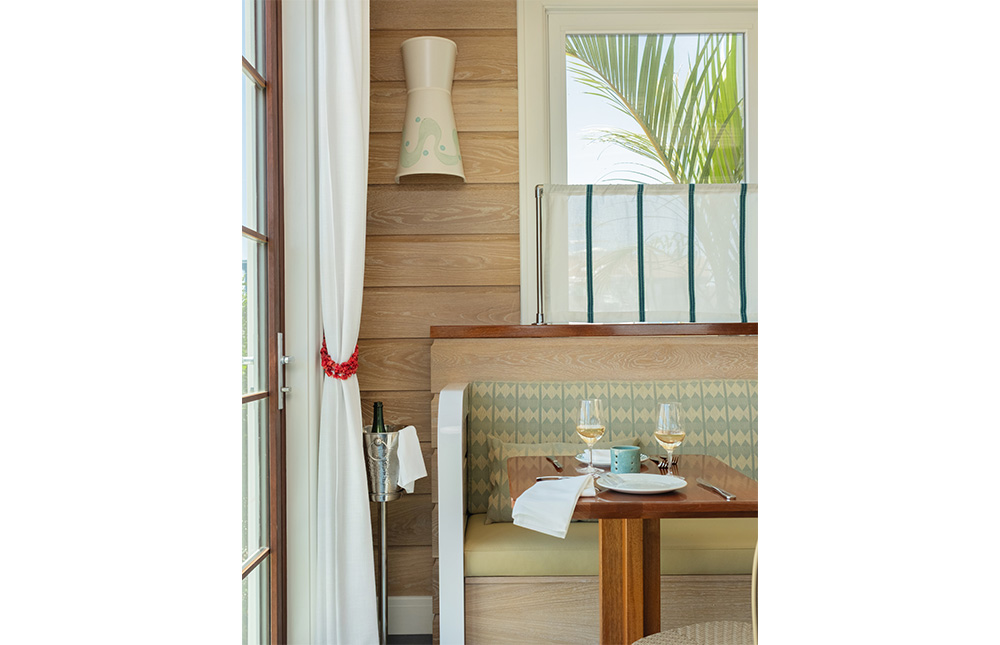
We’ve got one that will open up this summer out in Montauk with LDV Hospitality. It’s with a repeat collaborator, which to us is the greatest and best thing when somebody enjoys the experience enough to come back for more. It’s going to be the beachfront expression of another concept that they have here in the city called Barlume. We’re hoping it’s a really successful and expressive pan-Mediterranean, freespirited thing on the water. We’ve got another repeat collaboration with the good folks at Kiko. We’ve got something coming this summer with them down in SoHo. It’s small in scale. It’s like a quick expressive poem, a really carefully crafted new concept that’s very small in footprint, but definitely trying to apply that same level of attention to detail and a sense of refinement.
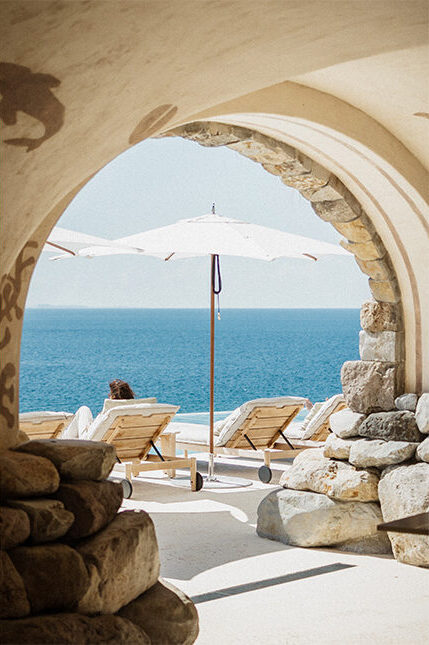
There’s one that has been open for a little while, but it was just the most incredible project we’ve worked on to date, which is at Isla Secas in Panama. Most practitioners wait multiple decades in their career to get to work on properties like this: a really gorgeous expression of a conservation ethos out on this 12-island archipelago with whales cresting on the horizon. Just wildly beautiful and a really exciting opportunity to work with native ways of making things, celebrating craft and the connection of design to nature.
What advice do you have for folks who want to launch their own practice?
Stay humble, curious, and never be afraid to ask for help. It’s definitely possible to take for granted all these relationships and working dynamics as you move quickly from project to project. A lot of people have built a lot more projects and businesses and companies than I have. I know we’ve stayed humble, kept our head down, and worked hard, but we’ve also been unafraid to ask for advice or to ask for a resource or a reference. We’ve really appreciated that and been really pleasantly surprised by how able and willing people are to extend a hand or send a reference or tell you what they’ve done.